2025-12-31

The Ultimate Playbook for Business Ventures in Japan

 Why Doing Business in Japan Demands a Strategic Approach

Tokyo business district skyline - Doing business in Japan

Doing business in Japan can open up access to the world's fourth-largest economy, worth $5.7 trillion, but it requires navigating a landscape where ancient traditions meet cutting-edge innovation. Success here isn't just about having a great product—it's about understanding unwritten rules, building deep relationships, and playing the long game.

Quick Guide: Essential Steps for Doing Business in Japan

  1. Choose your legal structure - Representative Office, Branch, or Subsidiary (Kabushiki Kaisha or Goudou Kaisha)
  2. Steer registration - Articles of Incorporation, Legal Affairs Bureau, company seals (hanko)
  3. Master cultural protocols - Business card exchange (meishi), bowing (ojigi), gift-giving, group harmony (wa)
  4. Adapt your sales approach - High-touch, face-to-face relationships trump low-touch digital models
  5. Secure proper visas - Business Manager, Intra-company Transferee, or Highly-Skilled Professional status
  6. Build trust patiently - Consensus building (nemawashi) and group decisions (ringi) take time

The Japanese market presents unique paradoxes. You can register a company with as little as 1 yen in capital, yet practical setup costs run around 15 million yen. The economy grows at less than 1% annually, yet it remains a tremendously underserved market for technology solutions. Competition from other startups is low, but breaking through cultural barriers is hard.

For example, an American company with a good product and price lost a contract to supply a Japanese firm's U.S. plant. The deal went to a Japanese subsidiary because, in Japan, business is about decades-long partnerships built on trust and cultural understanding, not just transactions.

I'm Zakari Watto, founder of JapanInsider. With fifteen years of experience helping Western businesses in Japan, I've learned that success hinges on understanding the invisible rules governing everything from customer service to hiring. This guide distills those lessons into actionable steps to help you build a sustainable presence and avoid costly mistakes in one of the world's most rewarding markets.

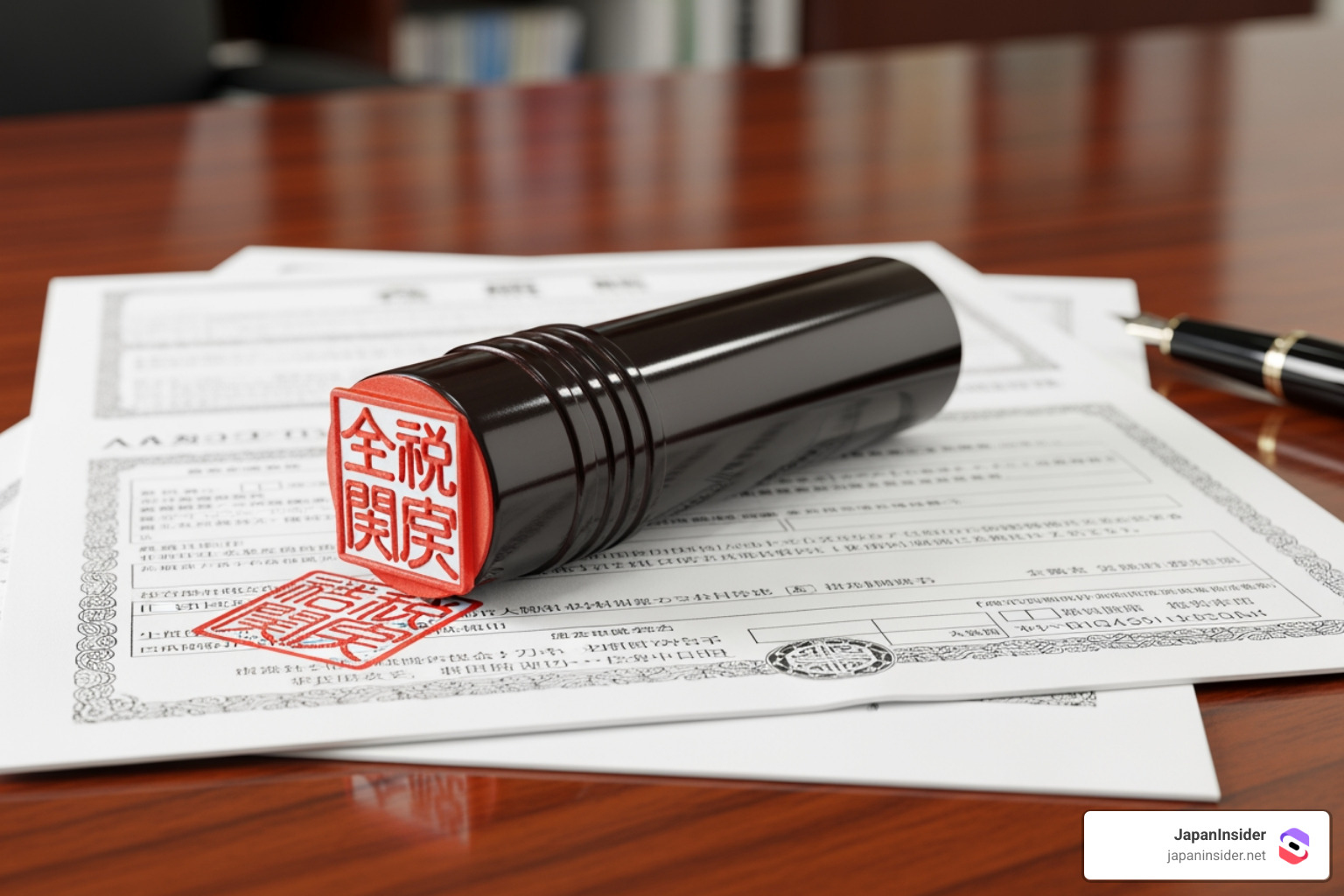
Japanese company seal (hanko) and registration documents - Doing business in Japan

This section covers the essential first steps for establishing a legal and financial presence in Japan, a crucial phase for any foreign enterprise. We'll explore the various business structures available, the legal hoops you'll jump through, and the financial considerations to keep in mind.

Choosing Your Business Structure

When considering doing business in Japan, one of the first decisions you'll face is choosing the right legal structure for your operations. This choice impacts everything from liability and tax implications to your ability to hire and operate. Foreign companies typically have three main options:

  • Representative Office: This is the simplest and least costly option, ideal for initial market research, information gathering, and liaison activities. A representative office cannot engage in direct commercial activities (like sales or contracting), meaning it can't generate revenue. Its representative typically holds an 'Intra-company Transferee' visa.
  • Branch Office: A branch office is an extension of your parent company overseas, meaning it's not a separate legal entity. It can conduct commercial activities and generate revenue. However, the parent company remains fully liable for the branch's obligations. Its representative can hold an 'Intra-company Transferee' or 'Business Manager' visa.
  • Subsidiary Company: This is a separate legal entity registered in Japan, offering limited liability to the parent company. Subsidiaries are the most common choice for full-scale commercial operations. There are two primary types:
    • Kabushiki Kaisha (KK): The most common type of stock company, similar to a public or private limited company. It carries a perception of higher prestige and credibility.
    • Goudou Kaisha (GK): Japan's equivalent to a US LLC. It's generally easier and less costly to establish and offers more flexibility in its internal governance and profit distribution. It's often preferred by smaller foreign businesses or startups. Its representative usually holds a 'Business Manager' visa.

Here's a quick comparison of these structures:

Feature Representative Office Branch Office Kabushiki Kaisha (KK) Goudou Kaisha (GK)
Legal Status No separate entity Not separate entity Separate legal entity Separate legal entity
Liability Parent company liable Parent company liable Limited liability Limited liability
Commercial Ops No Yes Yes Yes
Perception Liaison/Research Extension of parent High prestige, traditional Flexible, modern, startup-friendly
Setup Cost Low Moderate High Moderate
Management Limited Parent company oversight Board of Directors Members

For a visual guide, watch this Types of Operation in Japan video. If you need help choosing the right structure, our consulting services can provide custom advice.

Once you've chosen a structure, you must steer Japan's legal registration process, which requires meticulous attention to detail despite recent simplifications.

  1. Company Registration: This is the core process. For a subsidiary (KK or GK), you'll need to draft Articles of Incorporation, which define your company's purpose, structure, and operations. Companies in Japan are only allowed to carry out business activities explicitly written in the 'objectives' section of their Articles of Incorporation! These documents often require notarization.
  2. Capital Requirements: The often-cited "1 yen capital" is technically true for registration, but practically misleading. To obtain a 'Business Manager' visa or to simply operate credibly, you'll need significantly more. A realistic minimum for practical operations and visa purposes is around 5 million yen in capital.
  3. Legal Affairs Bureau: This is where you'll submit your registration application. You'll need to prepare various documents, including the notarized Articles of Incorporation, a Statement of Beneficial Owner, and application forms. Expect to make a set of company seals (hanko) – a Representative Seal, a Bank Seal, and a Company Name Seal – as these are crucial for official transactions.
  4. Post-Registration Notifications: After your company is registered, you'll need to notify various government agencies, including tax offices (national, prefectural, and municipal) and social insurance offices. These notifications must be made within specific timeframes.
  5. Bureaucracy Navigation: Japan's bureaucracy is thorough, often requiring paperwork and in-person visits despite digitalization. You may feel like a courier between government offices. Engaging professionals like judicial or administrative scriveners can save significant time and frustration.

For a detailed walkthrough of establishing a subsidiary, this video offers excellent guidance: Steps to Establish a Subsidiary in Japan video. Additionally, understanding intellectual property is vital. The Japan Patent Office information provides basic information about laws and procedures related to trademark and design protection systems.

Financial Considerations and Funding

Understanding the financial landscape is paramount for doing business in Japan.

  • Minimum Setup Costs: While the legal minimum capital for registration is 1 yen, practical setup costs are higher. Budgeting around 15 million yen (roughly $100,000 USD) is a more realistic starting point to cover incorporation fees, initial office space, salaries, and operating expenses. This also aligns better with the capital requirements often needed for a 'Business Manager' visa.
  • Access to Capital: Japan's startup ecosystem is evolving but still differs significantly from Western markets. Angel investing is less developed, and venture capital tends to favor established entrepreneurs. Startup valuations are often low by Silicon Valley standards, making fundraising a different ball game.
  • Building Bank Relationships: Japanese banks value personal relationships and trust. For individuals and small businesses, demonstrating trustworthiness and a stable personal history can be more crucial than credit scores. For example, one entrepreneur's bank manager proactively supported him during a crisis, demonstrating the personal touch that defines Japanese finance. For more insights into the overall business environment, the Doing Business in Japan - World Bank Group data offers valuable context.

The Unwritten Rules of Doing Business in Japan

Formal business card (meishi) exchange - Doing business in Japan

This section digs into the cultural nuances that are critical for building trust and succeeding in the Japanese market. From greetings to negotiations, understanding these unwritten rules is as important as any legal document.

Communication, Etiquette, and the Personal Touch

Japanese business culture is built on respect, harmony, and long-term relationships. Mastering the following aspects will set you apart:

  • Business Card (Meishi) Exchange: This isn't just a casual swap; it's a ritual. Present your meishi with both hands, Japanese side facing up, with a slight bow. Receive a card with both hands, examine it carefully, and place it respectfully on the table in front of you during a meeting. Never put it directly into your wallet or pocket without acknowledging it.
  • Bowing (Ojigi): The primary form of greeting. The depth of your bow (ojigi) signifies respect, with deeper bows for those of higher status. As a foreigner, a polite, moderate bow is generally sufficient, and Japanese counterparts will often reciprocate with a handshake.
  • Gift-Giving Protocol: Gift-giving is a crucial part of building relationships, emphasizing the ritual over the content. Modestly refuse a gift two or three times before accepting it. Open gifts in private, and always reciprocate. Be mindful of unlucky numbers (avoid giving four or nine of anything) and colors (white flowers, red Christmas cards are associated with funerals).
  • Punctuality: Being on time is not just polite; it's expected. Japanese believe it is rude to be late, so always aim to arrive early for meetings.
  • Group Harmony (Wa): The concept of wa (harmony) is central. Decisions are often made collectively, and maintaining group cohesion is paramount. Avoid direct confrontation or openly disagreeing with someone in a group setting.
  • High-Context Communication: Japanese communication is often indirect and nuanced. What might sound like a "maybe" to a Western ear could actually be a soft "yes," while "I'll consider it" often means "no." It requires careful listening and observation.
  • Building Trust: Trust in Japan is earned slowly, through consistent behavior, reliability, and demonstrating a long-term commitment. It's not about quick wins but about cultivating enduring partnerships.

For a deeper dive into these customs, we recommend this guide: A Guide to Japanese Business Etiquette.

Negotiation and Group Decision-Making

Negotiations in Japan can feel slow compared to Western standards, but this deliberate pace is integral to their consensus-driven process.

  • Consensus Building (Nemawashi): Before a formal meeting, key stakeholders will often engage in nemawashi (root-binding). This informal process involves one-on-one discussions to build consensus and address concerns beforehand. By the time a formal meeting occurs, decisions are often already largely agreed upon.
  • Group Decision-Making (Ringi): Decisions are typically made collectively, not by a single individual. The ringi-sho system, a document circulated for approval among various departments, is a classic example. This ensures broad buy-in and shared responsibility. As a foreign business, you'll need to gain acceptance from the group before you can truly influence decision-making.
  • Indirect Communication: Direct refusals are rare. Instead, you might hear phrases like "it might be difficult" or "we will think about it." Learning to interpret these subtle cues is crucial.
  • Long-Term Perspective: Japanese businesses prioritize long-term stability and relationships over short-term gains. Be prepared for negotiations to take time, and demonstrate your commitment to a lasting partnership. Patience is a virtue here.

To truly grasp these societal underpinnings, we suggest reading: An Introduction To Japanese Society.

The 'Customer is God' Philosophy

One of the most striking aspects of doing business in Japan is the unparalleled standard of customer service, encapsulated by the phrase kyakusama wa kamisama ("the customer is God").

  • Exceptional Service Standards: This philosophy translates into a level of attentiveness, politeness, and dedication that often exceeds Western expectations. From carefully packaged products to staff who anticipate your needs, Japanese customer service is a qualitative difference.
  • Building Customer Loyalty: Once a business wins a Japanese customer and consistently meets these high service standards, that customer tends to be incredibly loyal. This loyalty is a powerful asset in a market where trust is paramount.
  • Supplier-Customer Hierarchy: In B2B relationships, this means suppliers find it extremely difficult to say no to customer requests. They will often go to extraordinary lengths – working overtime, skipping vacations, or even fulfilling unprofitable orders – to ensure customer satisfaction. This contrasts sharply with Western B2B norms where suppliers often view themselves as equals.
  • High-Touch Service Expectations: Whether you're selling software or physical goods, be prepared for customers who expect personalized, attentive service. This often means more face-to-face interactions and a deeper commitment to understanding and fulfilling their needs.

Understanding and adapting to this "Customer is God" mindset is key to success. We regularly share insights on navigating these expectations through our consulting services.

Building Your Team and Reaching Your Market

This section outlines the practicalities of hiring talent, managing operations, and adapting your sales strategy for Japan. From the unique 'salaryman' culture to a high-touch sales environment, building your team and reaching your market requires a distinct approach.

The Japanese Employment System and 'Salaryman' Culture

To truly understand the Japanese workforce, you must grasp the concept of the 'salaryman' and the employment system they represent. This is a "Rosetta stone" for doing business in Japan.

  • Lifetime Employment Concept: While not as universal as it once was, the ideal of lifetime employment still strongly influences Japanese corporate culture, especially in large corporations. Employees traditionally swear themselves "body and soul" to the company, expecting job security until retirement in return.
  • 'Salaryman' Culture: This describes the dedicated, often male, white-collar worker in a large Japanese company. They often work incredibly long hours (90+ hour weeks are not unheard of, with many logging significant "service overtime" – unpaid extra hours). Despite companies officially allowing 12-18 combined vacation/sick days a year, salarymen typically take only about five.
  • Company Loyalty: Loyalty is profound, with employees often prioritizing company directives above personal life, including relocating internationally with little notice.
  • Low Employee Turnover: The system fosters extremely low employee turnover. Moving jobs is less common and can carry a social stigma, especially for individuals seeking to join startups, which are often perceived as "off-the-charts risky."
  • Difficulty of Termination: Terminating employees in Japan is exceptionally difficult. "At-will employment" is an alien concept. Companies require "cause" and face a very high bar for dismissal, often resorting to tactics like transferring an employee to a division optimized to shame you into quitting rather than direct firing. This means hiring decisions are taken with extreme seriousness.

Hiring and Visa Requirements

Navigating Japanese employment requires understanding both the cultural context and legal requirements for foreign workers.

  • Visa Types and Status of Residence: For foreign employees and representatives, securing the correct visa and status of residence is critical. Common types include:
    • Business Manager Visa: For those managing or establishing a business in Japan. This often requires a significant capital investment (e.g., 5 million yen).
    • Intra-company Transferee: For employees transferred from a foreign head office to a Japanese branch or subsidiary.
    • Highly-Skilled Professional Visa: A newer category designed to attract talented individuals, offering expedited permanent residency and other benefits. It may offer an easier path for entrepreneurs than the traditional 'Business Manager' visa, especially if you meet certain points-based criteria.
    • Engineer/Specialist in Humanities/International Services: For those engaged in specialized technical or professional work. Your status of residence dictates what you can and cannot do in Japan. Importantly, status of residence follows the employee, not the job, allowing for job changes within the same category. For a detailed video guide, see Obtaining a Working Visa in Japan video.
  • Hiring 'Misfits': For startups, attracting traditional salarymen is tough. Many Japanese startups succeed by hiring "around the edges" of society. This includes college-educated women, foreigners, or Japanese men who don't fit the traditional corporate mold but possess valuable skills and motivation. These individuals are often undervalued by the formal labor market, creating a unique talent pool.
  • Salary Expectations: While Silicon Valley engineers might command $120k-$160k, an intermediate engineer in Tokyo in their early thirties might earn $30k-$60k annually (or roughly $50k for mid-career wages in engineering). Non-salary costs of employment (social insurance, benefits) are roughly in line with the US, so budget about 25-50% extra on top of salary.

Sales and Marketing in a High-Touch Market

Forget the low-touch, automated sales models common in many Western markets. Doing business in Japan demands a deeply personal approach.

  • High-Touch Sales Model: The Japanese market virtually requires high-touch sales, even for low-price point software aimed at SMBs. Decisions are primarily made after face-to-face meetings with local sales representatives. Building relationships, trust, and demonstrating commitment are paramount.
  • Role of Local Partners and Representatives: For foreign companies, establishing a local presence or partnering with Japanese distributors or representatives is often crucial. They possess the local knowledge, language skills, and existing relationships necessary to steer this high-touch environment.
  • Underserved Tech Market: Despite its advanced infrastructure (Gigabit Internet for about $50/month), Japan is surprisingly "tremendously underserved with regards to technology solutions," especially in modern web/mobile development. The market is often 5-10 years behind the US in these skills. This presents a massive opportunity for foreign companies bringing cutting-edge digital solutions.
  • 'Galapagos Syndrome': Japan's history of creating unique, isolated technology ('Galapagos syndrome') has left some large corporations behind in modern web development, as they often lack 'Internet DNA.'
  • Low Competition in Digital Channels: Because of the high-touch sales culture and historical tech development, competition from other startups is relatively low. Digital advertising channels like AdWords and SEO are also less saturated and competitive compared to the US, offering cost-effective marketing opportunities.

We offer specialized sales and market entry guidance to help you steer these unique dynamics and connect with your target audience.

The Strategic Landscape: Challenges and Opportunities

This section provides a high-level view of the strategic factors, from demographic trends to unique market advantages, that will shape your venture in Japan.

Advantages and Opportunities for Foreign Ventures

Despite its modest growth outlook, Japan offers compelling advantages for foreign businesses.

  • Underserved Technology Market: As we've mentioned, the market is "tremendously underserved" with modern technology solutions. Japanese megacorps are often slow to adopt new digital tools and sometimes lack "Internet DNA," creating a void that agile foreign companies can fill.
  • Low Startup Competition: Compared to busy startup hubs like Silicon Valley, competition from other startups in Japan is relatively low. This means more room to innovate and establish a foothold without being immediately overwhelmed by rivals.
  • Wealthy Consumer Base: With a population estimated at 126 million (and over 100 million globally rich people), Japan offers a large and affluent consumer base eager for quality products and services.
  • High Customer Loyalty: Once you've earned the trust and respect of Japanese customers through exceptional service and consistent quality, they tend to be incredibly loyal. This provides a stable foundation for long-term growth.
  • Opportunity in Niche Markets: The sheer size and sophistication of the Japanese economy mean that even highly specialized niche markets can be substantial and profitable.

Common Challenges and How to Prepare

Doing business in Japan comes with its own set of challenges.

  • Bureaucracy and Paperwork: Japanese bureaucracy, while organized, involves extensive paperwork and specific procedures. Expect to spend several work days a year on administrative tasks like taxes.
  • Language Barrier: This is perhaps the biggest hurdle. "Doing business in Japan without speaking Japanese is playing life on 'hard mode.'" While English proficiency is increasing, especially in Tokyo, deep relationship building, nuanced negotiations, and navigating local procedures almost always require Japanese. It typically takes at least two years of high-intensity study to carry on a basic business conversation.
  • Demographic Shifts: Japan faces significant demographic challenges, including an aging and shrinking population. This leads to labor shortages and a potentially contracting consumer base in the long run. Businesses need to consider how these trends will impact their workforce and market strategy.
  • Reputation for Xenophobia: Japan has a reputation for xenophobia. While this can be unfair, discrimination in housing and employment exists (e.g., foreigners may be excluded from 40% of available apartments). Though attitudes are improving, building strong local networks is a key strategy for foreign entrepreneurs.
  • Adapting to Local Tastes: Products and services successful elsewhere may need significant localization to resonate with Japanese consumers. Understanding cultural preferences is key to avoiding missteps (like the golf ball company that packaged balls in fours, a number associated with death).

At JapanInsider, we help clients steer these challenges and turn them into strategic advantages. You can learn more about our approach on our main page.

Support Systems for Entering Japan

Several organizations and services are dedicated to helping foreign businesses succeed in Japan.

  • JETRO (Japan External Trade Organization): JETRO is an invaluable resource, offering comprehensive guides, pamphlets on laws and regulations (available in 8 languages), video series, and an "Experts Finder" directory to connect you with professionals in legal, tax, and HR fields. Their JETRO's Invest in Japan portal is an excellent starting point.
  • Local Chambers of Commerce: Joining local chambers of commerce (e.g., American Chamber of Commerce in Japan) can provide networking opportunities, market insights, and advocacy.
  • Prefectural Support: Many prefectures, including Aomori Prefecture (where JapanInsider is based), offer specific support and incentives for foreign investment, recognizing the value of international businesses. You can find more information about Aomori Prefecture and its opportunities.
  • Professional Consultants: Firms like JapanInsider bridge cultural and practical gaps for Western businesses. We offer custom advice on market entry, legal setup, and operational strategies. Our market entry support provides a clear path forward.

Frequently Asked Questions about Doing Business in Japan

Do I need to speak Japanese to succeed in business there?

Yes, it is highly recommended. While some business can be done in English in Tokyo, fluency in Japanese is critical for deep relationship building, navigating bureaucracy, and understanding the market. Operating without Japanese is like playing on 'hard mode.' It takes at least two years of intensive study for basic business proficiency.

What is the single biggest mistake foreign companies make in Japan?

The most common mistake is underestimating the need for a personal, high-touch approach. Many Western firms try to apply a low-touch, efficiency-first model that fails to build the necessary trust and relationships. Success in Japan requires patience, face-to-face interaction, and a long-term commitment.

How much capital do I really need to start a business in Japan?

While a company can be legally registered with as little as 1 yen, this is not practical. To secure a Business Manager visa, you typically need to show an investment of at least 5 million yen. A more realistic starting budget to cover incorporation, office space, initial salaries, and other costs is around 15 million yen.

Conclusion: Your Partner in the Japanese Market

Success in Japan is a marathon, not a sprint. It demands a deep appreciation for its unique culture, a patient and relationship-focused strategy, and the resilience to steer its complex systems. The market offers immense rewards for those who invest the time to understand it. As experts in bridging Western and Japanese business cultures, JapanInsider provides the authentic, culturally sensitive guidance needed to turn these challenges into your greatest strengths. Learn how our services can help you succeed in Japan

2025-12-30

Cross-Cultural Communication Expertise: Navigating Japanese Business Culture in Aomori


Cross-Cultural Communication Expertise: Navigating Japanese Business Culture in Aomori

By: Zakari Watto | December 30, 2025

Leverage over 15 years of cross-cultural expertise in Aomori to master Japanese business communication. Access practical guides on keigo and nemawashi, and receive specialized training from a leading regional business consultant.

Introduction: Why Japanese Communication Patterns Matter for Your Success


"Aomori Bay Bridge (青森湾大橋): Japan Insider's gateway to 15+ years of cross-cultural business expertise in Aomori Prefecture"

              Introduction:

With 15 years of experience bridging Western and Japanese professional environments, I have seen that miscommunication costs more than time; it undermines relationships and trust. A direct email lacking context or a proposal without proper groundwork can have lasting negative effects.

Japanese communication is structured to prevent confusion, preserve dignity, and foster sustainable relationships. Recognizing this distinction will transform your effectiveness in Japan.

This article draws on my experience training Western professionals, expatriate families, and multinational teams across Japan, especially in Aomori Prefecture, where regional business practices add complexity. You will find actionable frameworks for immediate implementation, whether closing a deal in Tokyo or managing a partnership in northern Japan.

 Understanding Keigo (敬語):The Foundation of Professional Japanese

 Master three types of Japanese polite language. Learn respectful forms (sonkeigo), humble forms (kenjōgo), and polite forms (teineigo) essential for business communication and client relationships.

Japanese contains respect structures that signal hierarchy, distance, and awareness of relationships. For example, English speakers might ask, "When will you send the report?" In Japanese business contexts, the phrasing changes based on the recipient's status.

The three pillars of keigo are:

Teineigo (丁寧語) — Polite Language The -masu/-desu ending forms the foundation. "Kore wa sakura desu" (This is a cherry blossom) maintains a neutral, professional distance suitable for colleagues, clients, and formal settings.

Sonkeigo (尊敬語): Respectful Language. Instead of "miru" (to see), use "go-ran ni naru" when speaking about a client or a senior's observation. This acknowledges their position and creates appropriate distance.

Kenjōgo (謙譲語): Humble Language Rather than "okurimasu" (I send), use "haiken suru" when humble acknowledgment is needed. It demonstrates awareness of hierarchy without appearing obsequious.

Practical Application: When drafting emails, pause before hitting send. Ask yourself: Am I positioned as junior to this person? Is there a power distance? The answer determines your verb forms and sentence structure.

Nemawashi (根回し): Building Consensus Before Decisions

Description: Master the Japanese art of laying groundwork. Learn how nemawashi differs from Western pitch meetings and why consensus-building prevents delays and reversals in Japanese business.

In Western contexts, consensus-building sometimes gets treated as optional. In Japan, it's structural. Nemawashi—literally "preparing the roots"—happens before formal meetings. The actual meeting is confirmation, not persuasion.

The Four-Step Nemawashi Process:

  1. Prepare a concise one-pager: Include objectives, anticipated risks, timeline, cost implications, and stakeholder list. Clarity here prevents questions later.

  2. Identify a senior champion and detail-oriented peer: These individuals understand the landscape and constraints. Their early buy-in signals legitimacy.

  3. Pre-brief each stakeholder individually: Listen three times more than you speak. Ask, "What concerns might arise from your department's perspective?" Their input becomes integrated into your revision.

  4. Revise and present to the broader group: By the time the proposal reaches the meeting table, resistance is minimal because it's already been addressed privately.

Why This Matters: A decision made through nemawashi rarely gets reversed. Investment in front-end alignment eliminates back-end conflict. This isn't bureaucracy; it's risk management.

 Ringi (稟議) and Approval Workflows:Documenting Consensus

Description: Understand the ringi system, formal written proposals that circulate for hanko stamps or digital signatures. Learn how ringi-sho creates accountability and prevents scope creep in Japanese organizations.

Ringi-sho (稟議書) are formal written proposals that circulate for approval. Each stakeholder stamps with their personal hanko (seal) or provides a digital signature. This creates an audit trail and confirms that everyone has reviewed it.

What Makes Effective Ringi:

  • Clear sections: proposal, risk assessment, financial impact, implementation timeline
  • Stakeholder list in correct order (senior to junior typically)
  • Explicit decision requested: approval, conditional approval, or revision needed
  • Brief rationale for why this decision matters now

The ringi system transforms abstract agreement into documented consensus. When implemented correctly, decisions move forward with organizational alignment.

Meishi (名刺) and First-Meeting Protocol: Making Lasting Impressions

 Business card etiquette and first-meeting choreography. Learn seating arrangements, greeting protocols, and conversation starters that signal respect in Japanese professional contexts.

The meishi exchange is a ritualized moment. Your handling of that small card communicates your awareness of Japanese business norms.

Essential Protocol:

  • Carry premium cards in a clean holder; they'll likely outnumber expectations
  • Stand to greet; offer a slight bow (15-20 degrees) paired with a light handshake if initiated.
  • Present your card with both hands, text facing toward the recipient
  • Receive their card with both hands; read it immediately and acknowledge the name and title
  • Place cards on the table in seating order; never write on them or shove them into pockets

Opening Conversation: Move beyond the weather. Ask about their recent trips to Japan, mutual connections, or industry developments. Save politics, sarcasm, and personal questions about relationships for when they have matured.

Follow-Up Email Structure: Reference specific points from the meeting. Express gratitude for their time. Confirm next steps with dates. Keep the tone formal but not distant on first contact.

 Seating Hierarchy (上座/下座) and Room Management

 Master kamiza (seat of honor) and shimoza positioning. Learn how to host clients and visiting executives in accordance with Japanese spatial etiquette.

Seating communicates respect. Kamiza (上座) is the most honored position—typically farthest from the door, away from traffic and drafts. Shimoza (下座) is near the entrance, reserved for hosts or junior staff.

Hosting Checklist:

  • Arrive 10-15 minutes early to arrange materials and confirm refreshments
  • Guide senior guests to the kamiza; position yourself in shimoza
  • Introduce your team hierarchy: most senior to most junior
  • Keep business cards visible for easy name reference
  • Avoid interrupting; take detailed notes; summarize action items clearly
  • Personally escort guests to the elevator or building exit

This isn't a performance; it's a signal. Small gestures compound into relationship strength.

 National Health Insurance and Resident Registration: Your First 90 Days

 Navigate Japanese municipal registration, health insurance enrollment, My Number card acquisition, and practical setup requirements. Step-by-step guide for new Western residents.

Your first three months set patterns that will last for years. Administrative tasks may seem burdensome at first but soon become routine.

Days 1-7: Register your address at City Hall within 14 days of arrival. Bring a residence card, a passport, and a lease. Simultaneously learn garbage sorting rules (they vary by ward) and pickup schedules. If your employer doesn't use seals, confirm with your bank whether a personal hanko (個人印) is necessary.

Days 8-21: Apply for or confirm your My Number (マイナンバー). The IC card version with a photo simplifies online administrative tasks. Open a bank account with online access. Register at your nearest clinic and identify the emergency hospital. If you have children, visit the local or international school office for enrollment and PTA requirements.

Days 22-60: Set up your mobile phone, internet, and utility auto-pay. Obtain an IC transit card (Suica, PASMO, or regional equivalent) and ask HR about commuter pass reimbursement. Practice key phrases for deliveries, maintenance calls, and school communication.

Days 61-90: Review insurance options, including personal liability, renters, and travel coverage. Schedule a cultural orientation session for your family covering train etiquette, neighborhood norms, festival participation, and seasonal responsibilities.

Health Insurance Navigation (NHI vs. Shakai Hoken)

Description: Learn the differences between National Health Insurance (kokumin kenko hoken) and Employees' Health Insurance (shakai hoken), including co-pay structures, enrollment processes, and coverage details.

If your employer provides shakai hoken (社会保険), enrollment happens automatically. If you're freelance or not covered, you'll register for kokumin kenko hoken (国民健康保険) at City Hall. Co-pays run approximately 30% for most adults.

Keep a digital photo of your insurance card on your phone, as many administrative processes require it for reference.

Headline 8: Aomori Prefecture Business Realities: Winter, Geography, and Local Rhythm

 Gain insight into Aomori-specific business culture. Learn how snowfall, maritime industries, and regional manufacturing impact project timelines, meeting logistics, and supply chain planning for Western teams.

Aomori shares Japan's core cultural foundations but adds regional factors such as heavy snowfall, maritime commerce, apple production, and a distinct local identity. These elements influence local business practices.

Winter Travel Buffers: Allocate an additional 15-30 minutes to morning commute estimates during the winter months. While Shinkansen service is generally reliable, flight cancellations increase significantly during storms. Always establish a contingency plan for travel to Tokyo. For example: "If the 1 p.m. flight is delayed past noon, transition to the 3:30 p.m. Shinkansen."

Supplier Relationship Building: In regional manufacturing and fisheries, relationships are built through direct engagement. Visit facilities, meet with foremen, and understand constraints such as port closures or seasonal staffing changes. Provide simple bilingual one-pagers for supervisors to share with teams who prefer Japanese.

Gift Protocol with a Local Flavor: When visiting plants or government offices, modest gifts from your home region are appreciated. For clients visiting Aomori, consider local products such as apple-based sweets, ringo-mochi (apple mochi), or traditional tsugaru-nuri lacquerware. Present gifts with both hands and a brief explanation.

Office Snow Management: Confirm that your building clears parking by 8:30 a.m. Keep removable shoe covers at reception. When hosting visitors, include a snow-safety note in meeting invitations, specifying parking locations, shuttle availability, and appropriate footwear.

 Language and Relationship Building: Phrases That Matter

Description: Learn essential Japanese phrases for business, school communication, and daily interactions. Mastering these phrases demonstrates respect and commitment to understanding local culture.

One phrase encapsulates relationship maintenance: "Itsumo o-sewa ni natte orimasu" (いつもお世話になっております). It translates roughly as "Thank you for always taking care of us." Use it with apartment managers, neighbors, and colleagues. It's not a bow or an apology; it's an acknowledgment of mutual dependence.

Other essentials:

  • "Osoreirimasu ga" (申し訳ありませんが) — "Sorry to trouble you, but…"
  • "Kamo shiremasen" (かもしれません) — "It might be the case that…" (softens directness)
  • "Haiken suru" (拝見する) — Humbly review or look at something

Practice these phrases daily. Your colleagues will notice your effort and respond with clearer communication.

Building Your 90-Day Cross-Cultural Action Plan

 Create measurable goals for work and life integration. Structure your learning through workshops, templates, peer feedback, and real-world practice in safe environments.

Set Concrete Goals:

  • Work: Secure stakeholder approval for X project, reduce email friction with Client Y, host one successful site visit
  • Life: Complete registration and insurance, establish pediatric care, master 20 phrases for delivery to staff and school communication

Choose a training format: a 2-hour focused session on meishi, seating, and first-meeting choreography; a half-day team session on nemawashi and ringi simulation with email rewrites; or a comprehensive 4-6 week program with customized playbooks and coaching.

Implement Tools: Develop an email phrase bank (English/Japanese pairs), a ringi template, a first-meeting checklist card, and a regional hosting checklist if you are based in Aomori.

Practice in Safe Scenarios: Conduct pre-meetings with a trainer acting as a senior stakeholder, perform mock card exchanges and seating assignments, and record and review a five-minute project pitch in both Japanese and English.

Measure and Adjust: After three real interactions, collect feedback from Japanese colleagues on clarity, tone, and responsiveness. Revise your templates as needed and schedule a 30-minute review after one month.

Closing Perspective

Cross-cultural communication in Japan is not about becoming Japanese. It is about being effective, respectful, and reducing stress. The benefits are clear: fewer misunderstandings, lasting decisions, and smoother daily operations, whether presenting in Tokyo or managing challenges in Aomori.

Contact & Resources

Are you ready to strengthen your cross-cultural communication skills? Insider: 15+ Years of Cross-Cultural Communication Expertise

  Email: info@japaninsider.org

Facebook: facebook.com/JapanInsider

Instagram: instagram.com/JapanInsider_official

LinkedIn: linkedin.com/company/JapanInsider

Website:https://www.japaninsider.org/consultation

Request a personalized consultation for your team, family, or regional rollout. We will help you define your goals and develop the right combination of etiquette coaching, templates, and on-the-ground support.

References & Citations

  1. Seargeant, P. (2009). English in Japan in the Era of Globalization. Palgrave Macmillan.
  2. Hall, E. T., & Hall, M. R. (1990). Understanding Cultural Differences. Intercultural Press.
  3. Yamada, H. (1997). Different Games, Different Rules: Why Americans and Japanese Misunderstand Each Other. Oxford University Press.
  4. Lebra, T. S. (1976). Japanese Patterns of Behavior. University of Hawaii Press.
  5. Beamer, L., & Varner, I. (2008). Intercultural Communication in the Global Workplace. McGraw-Hill.
  6. Japan External Trade Organization (JETRO). (2023). Business Etiquette in Japan. https://www.jetro.go.jp
  7. Nishiyama, K. (2000). Doing Business with Japan: Successful Strategies for Intercultural Communication. University Press of America.
  8. NHK World. (2024). Easy Japanese Language Learning. https://www3.nhk.or.jp/nhkworld/
  9. Ministry of Internal Affairs and Communications. (2024). My Number System Guide. https://www.soumu.go.jp/
  10. Aomori Prefecture Government. (2024). International Resident Guide. https://www.pref.aomori.lg.jp/
  11. Ting-Toomey, S., & Chung, L. C. (2012). Understanding Intercultural Communication. Routledge.
  12. Hofstede, G. (2001). Culture's Consequences: Comparing Values, Behaviors, Institutions, and Organizations Across Nations. Sage Publications.
  13. Japan National Tourism Organization. (2024). Living in Japan Resources. https://www.jnto.go.jp/
  14. Tokyo Metropolitan Government. (2024). Foreigner Support Center. https://www.metro.tokyo.lg.jp/
  15. Japan Association for Language Teaching (JALT). (2023). Professional Development in Language Education. https://jalt.org/
  16. Ministry of Health, Labour and Welfare. (2024). Health Insurance in Japan. https://www.mhlw.go.jp/
  17. Association for Professional Intercultural Development (APID). (2023). Standards for Cross-Cultural Training. https://www.apid.org/
  18. Kumagai, Y. (2015). Business Communication in Japan. Routledge.
  19. Japanese Standards Association (JSA). (2024). ISO 26000 Social Responsibility. https://www.jsa.or.jp/
  20. Aomori Chamber of Commerce. (2024). Regional Business Networks. https://www.aomori-cci.or.jp/

Copyright Notice: 2025 Japan Insider. All rights reserved. Reproduction, distribution, or transmission of this content without express written permission is prohibited. For licensing inquiries, contact info@japaninsider.org

Composed with professional cross-cultural communication expertise by Japan Insider. Expert consultation available for organizations, teams, and families navigating Japanese business culture and daily life.

2025-12-28

Why a Japanese Business Etiquette Guide is Essential for Success

Why a Japanese Business Etiquette Guide is Essential for Success

Written by: Zakari Watto, December 29, 2025

professional business meeting in Tokyo office - Japanese business etiquette guide

Japanese business etiquette guide is essential for Western professionals because Japan's business culture is built on respect, hierarchy, and harmony, which differ from Western norms. Understanding these nuances is critical for building trust, avoiding misunderstandings, and establishing successful long-term partnerships in one of the world's largest economies.

For those seeking a neutral cultural and historical overview, the article on Japanese business culture provides helpful background to reference as you prepare for meetings and negotiations.

Quick Reference: Key Japanese Business Etiquette Principles

  1. Punctuality - Arrive 10-15 minutes early for all meetings
  2. Hierarchy - Show deference to senior members; decisions involve consensus
  3. Business Cards (Meishi) - Exchange with both hands, treat with utmost respect
  4. Bowing - Master three types: 15, 30, anaor deep respect, typically for individuals of very high status.

While handshakes are more common, especially with foreigners, be prepared to bow first or follow your counterpart's lead. Do not initiate a handshake at a first meeting unless it is offered. Understanding Japanese body language is essential for smooth interactions. Avoid pointing at people; use an open hand instead. Do not put your hands in your pockets while speaking, as this can signal boredom or disinterest.

Mastering Meishi Koukan (Business Card Exchange)

The exchange of business cards, or meishi koukan, is a highly ritualized and critical part of initial business introductions. Your business card represents your professional identity and should be treated with the utmost respect.

Here's how to master the meishi koukan:

  • Preparation: Always carry plenty of business cards. Ideally, have them double-sided, with your information in English on one side and Japanese on the other.
  • Presentation: When presenting your card, hold it with both hands, with the English side facing you and the Japanese side facing the recipient. Offer it with a slight bow, ensuring the text is readable to the recipient. Present your card to the most senior person first, with a slight bow. Take a moment to read the card, acknowledging the person's name and title. This shows respect.
  • During the meeting, do not put the card away immediately or place it in your pocket. Instead, arrange received cards neatly on the table in front of you, often in seating order, until the meeting ends. This helps you remember names and titles.
  • After the meeting, place the cards in a dedicated business card holder. Never write on a card you have received in front of the giver, as this is considered highly disrespectful. Treating meishi with care demonstrates respect for the individual and their company.

The Ultimate Japanese Business Etiquette Guide for Meetings

Japanese business meetings are rooted in formal, respected rituals. How we dress and communicate significantly impacts our success. Professionalism, thorough preparation, and observation are essential. Taking notes is common and shows attentiveness. In Japanese business culture, silence often indicates careful consideration, not awkwardness, so avoid filling every pause.

formal meeting room showing kamiza and shimoza seating arrangement - Japanese business etiquette guide

Dress Code and Arrival Protocol

Appearance is an extension of professionalism in Japan, making the dress code quite formal and conservative.

  • For Men: Dark suits (black, dark grey, or navy blue) with a white or light-colored shirt and a subdued tie are the norm. Even during "Cool Biz" or "Warm Biz" seasons, where some companies relax dress codes to save energy, it's best to err on the side of formality, especially when meeting new clients or senior executives.
  • For Women: Conservative pant suits or longer skirt suits in similar muted colors are appropriate. Skirts should be knee-length or longer, and blouses should be modest. Makeup and jewelry should be minimal. Hair should be neat, often tied back.

Punctuality is not just a courtesy in Japan; it is a fundamental expectation. Arriving late is considered rude and disrespectful. We should arrive at least 10 to 15 minutes early for any business meeting or appointment. This allows time to settle in, exchange greetings, and prepare. If we anticipate being late due to unforeseen circumstances, notify our Japanese counterparts as soon as possible, apologize sincerely, and provide an estimated arrival time. This gesture helps mitigate a negative impression.

Seating arrangements in a Japanese business meeting are determined by hierarchy. The most senior person will typically be seated at the head of the table, furthest from the entrance, in what is known as the kamiza (place of honor). As guests, we should wait to be seated by our host or directed to our designated spot. If not explicitly told, we should typically sit closest to the entrance (shimoza).

Meetings often begin with polite small talk to establish rapport. This is not the time to jump straight into business. Light conversation about non-controversial topics like the weather, travel, or general observations about Japan are good starting points. Avoid sensitive subjects such as politics, religion, or personal family matters. The goal is to create a comfortable atmosphere and build a connection before starting the agenda.

Communication, Presentations, and Decision-Making

Japanese communication tends to be indirect and nuanced, with an emphasis on non-verbal cues and "reading the air" (kūki o yomu). This means that direct "no" responses are rare; instead, phrases like "it is difficult" or "we will consider it" might be polite ways of declining. As Westerners, we need to pay close attention to tone, body language, and silence. Silence during discussions is often a sign of careful thought and respect, not awkwardness, so avoid rushing to fill it.

It's also important to remember that the most vocal person in a meeting is not necessarily the decision-maker. Sometimes, a younger, more English-fluent member might dominate the conversation, but the ultimate decision usually rests with a more senior, often quieter, individual. Decision-makers may even appear disengaged (e.g., eyes closed) but are often listening intently. Identifying the appropriate individuals for follow-up is crucial.

When delivering presentations, clarity, conciseness, and thoroughness are highly valued. Visual aids are appreciated. If using an interpreter, speak slowly and clearly, avoiding colloquialisms or jargon. We may need to shorten our content by nearly half if using a consecutive interpreter. For technical presentations, consider professional translation of materials beforehand.

Decision-making in Japanese companies is a consensus-driven process, often involving nemawashi—an informal, behind-the-scenes effort to build agreement before a formal decision is made. This process can be slow from a Western perspective, but it ensures that all stakeholders are on board. Patience is a virtue here; avoid pressuring for immediate decisions.

After a meeting, a thank-you email within 24 hours is standard practice. This email should express gratitude and briefly reiterate key discussion points or agreed-upon actions. This helps clarify understanding and sets the stage for future interactions.

Building Relationships Beyond the Boardroom

In Japan, business focuses on cultivating long-term relationships built on trust and mutual respect, rather than transactional exchanges. This often extends beyond formal meetings into social settings, where patience and genuine connection are valued.

A Japanese Business Etiquette Guide to Dining (Settai)

Business dinners (settai or nomikai) are integral to relationship building. Observing proper dining etiquette is essential:

  • Waiting for the Host: Always wait for the host or the most senior person to begin eating or drinking before you do.
  • Chopstick Etiquette (hashi): Never stick chopsticks upright in your rice bowl (resembles an offering at a funeral). Avoid passing food directly from chopstick to chopstick. If serving from a shared dish, use the opposite end of your chopsticks or a communal serving utensil. It's acceptable to make slurping noises when eating noodles – it signifies enjoyment!
  • Pouring Drinks: It is customary to pour drinks for others and allow others to pour for you. Do not pour your own drink. Watch your colleagues' glasses and offer to refill them. Say "itadakimasu" (I gratefully receive) with your palms together in front of your chest to express gratitude for the meal.
  • Try Everything: Sample every dish offered, even if only a small amount.
  • Table Manners: Maintain a calm and composed demeanor. Avoid loud behavior and public displays of affection.

The Nuances of Gift-Giving (Omiyage)

Gift-giving (omiyage) is an important tradition for expressing gratitude and establishing rapport. It's not about the monetary value, but the thought and care behind the gesture.

  • When to Give: Gifts are typically presented at the end of a meeting, often after initial introductions.
  • What to Give: Choose high-quality local products or specialties from your home country. These are often appreciated as unique. Modestly priced, practical items are good choices.
  • Wrapping: The presentation is almost as important as the gift itself. Ensure gifts are impeccably wrapped.
  • Presenting and Receiving: Present and receive gifts with both hands, often with a slight bow and humility. The recipient may initially decline out of modesty; persist gently.
  • Gifts to Avoid:
    • Items in sets of four or nine (these numbers are associated with death and suffering).
    • White flowers, lilies, lotus blossoms, or camellias (associated with funerals).
    • Potted plants (can imply sickness or sympathy).
    • Red for Christmas cards (funeral notices are often printed in red).

Negotiation and Common Pitfalls to Avoid

Negotiations in Japan emphasize consensus and harmony. They are typically calm and peaceful, avoiding direct confrontation. A hard-sell approach is rarely effective; instead, adopt a gentle, persuasive tone, focusing on building long-term relationships. Be prepared for extended discussions and detailed questions, as decisions often involve many individuals. Patience is key.

Here are some common 'don'ts' to remember:

  • Don't point: Use an open hand to gesture.
  • Don't be overly loud or boisterous; maintain a calm, composed demeanor.
  • Don't blow your nose in public: Excuse yourself to do so privately.
  • Don't put your hands in your pockets: It can convey boredom or disrespect.
  • Don't interrupt: Listen attentively and wait for your turn to speak.
  • Don't discuss sensitive personal topics: Avoid politics, religion, or family in initial business conversations.
  • Don't pressure for immediate decisions: Japanese businesses plan for the long-term, and consensus takes time.

Understanding the Modern Japanese Workplace

Japanese work culture is known for its dedication and intensity. A 2015 survey found that 94% of Americans view the Japanese as ‘hardworking’. This reputation is sometimes linked to karoshi, meaning "death from chronic overwork." Nearly a quarter of Japanese employees work more than 80 hours of overtime a month, often unpaid. Although the minimum annual leave is 10 days, increasing to 20 with service, many employees forgo their full leave to avoid inconveniencing colleagues. This intense work ethic is a significant aspect of the business environment in places like Aomori City and Tokyo.

A Japanese Business Etiquette Guide to Workplace Dynamics

Hierarchy (kaiso) and seniority (nenkō joretsu) are deeply ingrained in Japanese workplaces. Age often determines position and interactions, regardless of professional status. Show deference and respect to those who are older.

Group harmony (Wa) is paramount. Individual praise, while well-intentioned, can sometimes cause embarrassment. It is often better to give credit to the entire group. Decision-making is a collective process, often involving many individuals at different levels, which can lead to slower outcomes but ensures broad support. The horenso process (report, update, consult) is a standard for problem-solving, emphasizing consistent communication up the chain of command. Building strong internal relationships is crucial for smooth operations and collaborative success.

Special Considerations for Women in Business

While progress has been made, the landscape for women in Japanese business is still evolving. Only 15% of top managerial roles are held by women. Traditional gender roles, pay inequality, and limited support systems present challenges. Foreign women can often navigate these challenges more smoothly by strictly adhering to Japanese business etiquette. Project professionalism and competence, focus on business acumen, dress conservatively, and maintain a composed demeanor to establish respect. Understanding etiquette helps build effective working relationships.

How Understanding Etiquette Contributes to Success

Mastering Japanese business etiquette is not about perfect imitation, but about demonstrating respect, thoughtfulness, and a genuine willingness to understand. This effort, even if imperfect, is highly appreciated and builds trust. By avoiding misunderstandings and showing cultural sensitivity, we can foster stronger relationships, facilitate smoother negotiations, and achieve long-term success in the Japanese market.

Navigating the intricacies of Japanese business etiquette can seem daunting, but it is a journey well worth taking. By embracing the core principles of respect, harmony, and patience, and by diligently practicing the customs discussed, from the art of the bow and meishi koukan to the nuances of dining and formal exposition, we lay a strong foundation for successful interactions. Our Japanese counterparts value effort and sincerity above all else.

At JapanInsider, we specialize in bridging the gap between Western and Japanese business cultures. Our expertise, honed through years of experience in places like Aomori City and Tokyo, allows us to provide authentic, culturally sensitive solutions that empower our clients to thrive in Japan. We believe that understanding and appreciating these cultural nuances are not just good manners, but essential strategies for effective collaboration and enduring partnerships.

We are here to help you open up the full potential of your ventures in Japan. Contact us for expert cross-cultural consulting and services and let us guide you toward building strong, successful relationships in this unique and vibrant market. For more insights and resources, don't forget to sign up for the Japan Insider Newsletter.

2025-12-27

Itinerant Digital Practices versus Regional Establishment: Why Aomori Was My Choice for JapanInsider


Itinerant Digital Practices versus Regional Establishment: Why Aomori Was My Choice for JapanInsider

By: Zakari Watto | December 27, 2025


Why I chose to settle in Aomori: a native perspective on work, belonging, and what truly matters.

Introduction

People asked why I stopped traveling. The answer isn't complicated, I just got tired of being nowhere.

For fifteen years, I did cross-cultural work. Different countries, different languages, always translating something. It was fine. I was good at it. But one day I realized I didn't know any place deeply. I had stories from everywhere and roots nowhere.

I chose to move to Aomori, not for content or a story, but to live authentically in a real community. The outcome surprised both myself and others.

The Problem With Always Moving

Constant travel allows you to avoid challenges. If winter is cold, you leave by spring. If neighbors are difficult, you can move in a few months. If work becomes monotonous, a new city offers renewed energy.

While this lifestyle may seem liberating, it is ultimately a form of avoidance. After several years, I realized I was only skimming the surface of each place and taking photos, collecting stories, and leaving before forming genuine connections.

Superficial understanding can feel satisfying, creating the illusion of being cosmopolitan. However, without sufficient time, you miss what truly matters to people. You do not witness the contrast between tourist experiences and daily life, nor do you see the seasons, relationships, and authentic community dynamics that require time to appreciate.

Why Aomori, Specifically

 Growing up in Okinawa, in the Ryukyu Islands, the traditional monarchy capital with its own distinct culture and history. Growing up in Naha meant understanding something deeper than typical Japan. Okinawan culture is rooted and complex, with traditions that run deep into the centuries. But I still have my home there, and I still return.

When I moved to Aomori, I wasn't escaping Okinawa. I was choosing another region with that same depth of tradition, that same refusal to be generic. Both Okinawa and Aomori resist the flattened "Japan" that gets exported to the world. Both have their own dialects, their own practices, their own way of doing things that doesn't match Tokyo's version.

Aomori is not a well-known destination. People visit because they live here or seek a deeper understanding of Japan. Aomori's traditions differ from those of my upbringing, and I wanted to experience another layer of Japanese culture from within, as I had in Okinawa. The local dialect is distinct, and traditions are practiced as part of daily life, not for tourists. The Nebuta Festival, for example, is a longstanding summer tradition, not a performance.

The people in Aomori are also distinct. They are unaccustomed to outsiders and may be cautious initially, but they are sincere. Once accepted, you are treated as a member of the community rather than a guest. I sought a place where authenticity is required, much like in Okinawa.

Building Real Relationships Takes Time

In the West, relationships are transactional. You exchange value, you move on. That's not how it works here. I understood this growing up in Okinawa, and I knew it would be the same in Aomori, just different in execution.

The first year in Aomori, I wasn't productive. By Western metrics, I was wasting time. I went to a neighborhood event. I helped with things nobody paid me for. I learned their names and stories. I made mistakes with the dialect and people corrected me gently. I showed up even when there was nothing to gain, because showing up was the only way to become part of the community.

Slowly, people stopped treating me as the foreign person who moved here. I just became the person who moved here. That distinction matters more than you'd think. It's the difference between being tolerated and being included.

Now, when I undertake projects, people assist because they know me as a community member, not as a visitor. This trust is more valuable than any network built through strategic relationships, yet it is fragile. If I stop participating or caring about the community beyond my business interests, that trust disappears. Living in one place creates accountability that travel cannot provide.

Language Becomes Real When You Live Somewhere

You can study Japanese in Tokyo without truly understanding it. In Aomori, language is a tool for daily life. The local dialect differs from both Okinawan and standard Japanese, as do the topics and manner of conversation. These nuances cannot be learned from textbooks; they are acquired through immersion, listening, and learning from mistakes.

My Japanese got better not because I was trying harder, but because I needed it to function. I needed to understand what the elderly woman at the grocery store was saying. I needed to communicate with neighbors about things that mattered to them, about snow removal, about community events, about the small concerns of daily life that nobody puts in language textbooks.

That necessity changed everything about how I understand language and culture. It's not academic anymore. It's just living. And when language is just living, you absorb the logic beneath the words; the way people think about time, about relationships, about what's important. That's something you can't get from any course or any amount of travel.

You Can't Rush the Seasons

In Aomori, winter is serious. Snow fills the streets. It's cold and difficult and long. I came from Okinawa, where winter means you wear a light jacket sometimes. Aomori's winter is a completely different experience.

If you're traveling through, you avoid winter or you endure it as a tourist experience, something to survive and then talk about. If you live here, you experience it as a person and figure out how to live in it, learning how people have adapted their lives, understanding why certain things are built the way they are, why certain practices exist. You see how communities prepare, what they prioritize, what they're willing to sacrifice.

Spring holds new meaning after enduring Aomori's winter, and summer feels well-earned. The Nebuta Festival is not merely entertainment; it is a celebration of overcoming hardship, rooted in genuine emotional and cultural need. This significance is lost on those who only visit briefly.

Understanding a place requires experiencing it over time, including its challenges. Being present for both difficult and convenient periods allows for a deeper appreciation of the culture.

Work Means Something Different When You're Accountable

When traveling, your work targets distant audiences. When based in a community, your work also serves local residents. This is a fundamental shift in perspective.

JapanInsider serves a global audience, but it also operates within Aomori, among people I know and a community I belong to. This influences both the content and its creation. I cannot write about Aomori's crafts without knowing the craftspeople, nor address local concerns without deep understanding. It is essential to give back to the community that provides these stories.

This is not about virtue signaling, but about accountability. Living in a community means witnessing the direct impact of your work. The individuals whose stories you share are part of your daily life and remember how their stories are used. This responsibility leads to higher standards in your work.

Stability Actually Enables Better Work

The nomadic lifestyle suggests that movement brings freedom. However, I found that stability offers a different kind of freedom—the ability to think, create meaningful work, and build lasting projects. Without the constant logistical challenges of moving, there is more mental space for substantive work.

Stable relationships with collaborators who understand your work enable projects to progress more efficiently. Familiarity with local routines and costs allows for better planning, eliminating the need to constantly adapt or reintroduce yourself.

The efficiency lost through constant movement is regained in higher quality output, completed with greater thoughtfulness and deeper integration. Time saved on logistics is invested in depth, which ultimately makes the work more meaningful.

Technology Doesn't Replace Being Somewhere

I can reach global audiences from Aomori as effectively as from any major city. The Nebuta Festival, for example, can be documented and shared worldwide from here. The key difference is that my writing is grounded in direct experience rather than memory or secondary research.

Technology connects me globally, while living here connects me to the material I work with. Both are important, but neither is sufficient on its own. Combining deep local knowledge with global reach produces stronger work, and this is only possible by staying in one place long enough to develop that knowledge.

When the Quiet Doesn't Mean Nothing Happens

Aomori is quieter than Tokyo, with less noise and fewer dramatic moments. However, depth is found in this quiet. Understanding culture involves observing subtle patterns, daily habits, and problem-solving approaches, which only become apparent when you slow down and pay attention.

Work created with this level of attention is more valuable and authentic. Audiences recognize the difference between content from someone deeply engaged and that from a transient visitor. Aomori's slower pace encourages careful observation, and genuine understanding requires time.

I'm Here Because This Is Where the Work Is

My decision to settle in Aomori was practical rather than philosophical. Here, I can engage in meaningful cross-cultural work. Bridging understanding between Japan and the West requires someone with experience in both cultures who is willing to live deeply in one and translate that experience honestly to the other.

This is the work to which I am committed. It requires remaining in one place and engaging in the often unglamorous process of belonging. This involves being present for both routine and significant events, building relationships that may not offer immediate professional benefits, and caring about the community beyond professional interests.

While traveling, I was often regarded as a knowledgeable visitor who would eventually leave. I am simply a resident writing about my experiences. This approach is less romantic but more honest, and it is this honesty that gives the work its value.

About the Author

I am a native Japanese speaker from Naha, in the Ryukyu Islands, Okinawa, the traditional capital of Japan's monarchy. My upbringing emphasized the importance of regional identity. I maintain my home in Naha and return regularly. With fifteen years of cross-cultural communication experience, I have worked internationally and gained diverse perspectives. Seeking to deepen my understanding of another traditional region, I moved to Aomori Prefecture while keeping my roots in Okinawa. I now run JapanInsider from Aomori, working with the local community and writing from the perspective of someone living between these two worlds.

Contact Information:

References & Backlinks

  1. Aomori Prefecture Official Information
  2. Hirosaki Castle Heritage
  3. Aomori Museum of Art
  4. Aomori Nebuta Festival
  5. Digital Nomad Research and Remote Work
  6. Community Integration Studies
  7. Cross-Cultural Communication
  8. Regional Development in Japan
  9. Local Tourism and Community
  10. Language Learning and Immersion
  11. Work-Life Integration Research
  12. Remote Work and Stability
  13. Cultural Belonging and Wellbeing
  14. Authentic Content Creation
  15. Japanese Regional Culture
  16. Sustainable Business Models
  17. Japan Regional Tourism
  18. Community Responsibility in Business
  19. Deep Work and Creativity
  20. Cross-Cultural Competence

Copyright Notice

© 2025 JapanInsider. All rights reserved. This article, including all text, structure, and original research, is the exclusive intellectual property of JapanInsider. Unauthorized reproduction, distribution, or modification without explicit written permission from JapanInsider is prohibited. For permissions and licensing inquiries, contact www.info@japaninsider.org.


2025-12-26

The 5-Hour Workday Revolution: How Aomori Prefecture is Redefining Success for Western Solopreneurs in 2025 Beyond Tokyo: A New Chap


The 5-Hour Workday Revolution: How Aomori Prefecture is Redefining Success for Western Solopreneurs in 2025

By: Zakari Watto | December 26, 2025


Mount Iwaki summit overlooks Aomori Prefecture, highlighting its appeal as a work-life balance destination for Western digital nomads.

 Beyond Tokyo: A New Chapter in Japan's Business Landscape

With 15 years of cross-cultural communication experience, I have witnessed Japan's business environment evolve. While Tokyo has long been the center of international business, in 2025, Aomori Prefecture is emerging as a strong alternative.

Western solopreneurs, digital entrepreneurs, and remote executives are realizing that success in Japan depends less on hours worked and more on strategic positioning. Aomori offers a reimagined business environment where a five-hour workday is a practical choice, supported by cost advantages, advanced infrastructure, and the regional "Slow Life" philosophy.

This guide leverages my experience bridging Western and Japanese business cultures to offer actionable insights for establishing yourself in Aomori. Whether you are considering the Digital Nomad Visa, exploring the Startup Visa, or planning a satellite operation while maintaining Tokyo connections, this article serves as your strategic roadmap.

 The Economic Foundation: Understanding Aomori's Cost-of-Living Advantage

Aomori’s five-hour workday is enabled by its regional economy. With fixed costs 50-60% lower than in Tokyo, there is less pressure to maximize billable hours. I call this "fiscal time reclamation."

Rent and Real Estate: The Primary Differentiator

Over 15 years of consulting, I have helped many Western professionals navigate Japan's real estate market. The difference between Tokyo and Aomori is substantial. In central Tokyo, a 30-square-meter studio costs ¥150,000 to ¥200,000 per month. In Aomori City and Hirosaki, the same budget secures a 60-70 square-meter apartment, often with mountain views and modern amenities.

Aomori's akiya (vacant house) market offers unique opportunities unavailable in Tokyo. Prefectural revitalization initiatives allow foreign residents to purchase properties at remarkably low prices, sometimes as little as ¥1,000,000, in exchange for renovation and long-term residency. I recommend that all serious relocators review the Aomori Prefectural Government's official database of akiya banks.

Operational Costs and Business Infrastructure

Beyond housing, all aspects of business operations are more affordable in Aomori. Coworking space memberships at facilities such as Regus Aqua Aomori Square cost approximately ¥25,000-¥35,000 per month, compared to ¥60,000-¥80,000 in Tokyo's premium districts. Dining, transportation, and professional services also reflect regional pricing, enabling revenue to stretch further.

The Aomori Institute of Inventors, in partnership with JETRO Aomori, administers the 2025 Overseas Development Support Program, offering grants of up to ¥3,000,000 to qualifying small and medium enterprises that establish operations in the prefecture. This funding constitutes substantial capital, sufficient to support the first year of operations and product development.

2. Technological Infrastructure: Dispelling the Rural Myth

A common misconception among Western clients is that leaving Tokyo equates to sacrificing technological sophistication. This perspective is outdated. Japan's nationwide 5G deployment is comprehensive, and Aomori benefits from targeted infrastructure investments supporting rural revitalization.

Connectivity and Digital Infrastructure

Fiber-optic internet is standard throughout Aomori, including agricultural areas. In my experience, video conferences with clients in New York, London, and Sydney from Hirosaki have been reliable, unlike in many Southeast Asian digital nomad destinations. Japanese telecommunications infrastructure, built by NTT East and other carriers, meets corporate standards everywhere.

Major coworking facilities in Aomori City, such as the Aomori Chamber of Commerce innovation centers and Regus locations, offer business-grade internet with redundant connections and speeds over 1Gbps. For solopreneurs relying on real-time communication or data-intensive work, Aomori's infrastructure is fully sufficient.

Transportation: Maintaining Tokyo Connectivity

The Tohoku Shinkansen provides direct rail service from Shin-Aomori Station to Tokyo Station in approximately three hours. That's comparable to commuting from Yokohama or Chiba, except you are living in a UNESCO World Heritage region rather than a suburban sprawl. For solopreneurs who need an occasional Tokyo presence for client meetings or industry events, this connection is strategically valuable.

Additionally, Aomori Airport offers domestic connections throughout Japan and limited international service. The regional transportation network, including East Japan Railway Company's conventional lines, provides reliable access to all prefectural business centers.

3. Cultural Intelligence: The "Kizuna" Approach to Northern Japanese Business

This is where my 15 years of cross-cultural expertise becomes particularly relevant. Operating successfully in Aomori requires understanding that you are not simply in "a different part of Japan," you are in a distinct cultural region with its own business protocols, communication styles, and relationship-building expectations.

The Concept of Kizuna (絆)

Kizuna means "bonds" or "connections," but it goes beyond Western networking. In Northern Japan, business relationships develop slowly and are maintained long-term. The Slow Life philosophy applies to both work hours and trust-building. While Tokyo professionals may move quickly, those in Aomori often spend months building relationships before significant collaboration.

This is not inefficiency; it is a different optimization function. Once established, these relationships provide extraordinary stability and loyalty. I have clients in Aomori whose business partnerships have lasted over a decade without formal contracts, sustained entirely by mutual trust and seasonal gift exchanges (Oseibo in December, Ochugen in July).

Language and Dialect Considerations

Standard Japanese (Hyojungo) is understood and spoken throughout Aomori, particularly in business contexts. However, the local Tsugaru-ben dialect can be challenging even for Japanese people from other regions. As a professional service, JapanInsider provides dialect coaching and cultural interpretation to help Western solopreneurs navigate these linguistic nuances.

More importantly, making an effort to understand local culture, even imperfectly, generates significant goodwill. Learning basic Tsugaru-ben greetings or understanding regional festivals like the Nebuta Matsuri demonstrates respect that goes beyond language proficiency.

4. Visa Pathways and Legal Framework for Foreign Solopreneurs

Establishing legal status in Japan can seem complex, but several pathways have become much more accessible in recent years, especially for qualified professionals and entrepreneurs.

The Digital Nomad Visa (2025)

Japan introduced its Digital Nomad Visa in 2024 for remote workers whose employment or business is based outside Japan. This six-month visa allows you to live in Japan while working for foreign clients, provided you meet income thresholds (generally ¥10,000,000 annually or equivalent documentation). The Ministry of Foreign Affairs has streamlined the process, with many applicants approved within 4-6 weeks.

For solopreneurs exploring Aomori before full commitment, this visa is an ideal entry point. You can build local connections, secure housing, and assess business opportunities without immediately restructuring your operations.

 Business Manager Visa (Startup Pathway)

For those ready to establish a formal Japanese business, the Business Manager visa is the main route. It requires registering a company (typically a Godo Kaisha or Kabushiki Kaisha), demonstrating at least ¥5,000,000 in initial capital, and presenting a viable business plan.

Aomori's lower costs make this threshold more attainable than in Tokyo. The same ¥5,000,000 that offers a slim margin in the capital can fund 12-18 months of operations in Aomori, especially when combined with prefectural grants such as the Overseas Development Support initiative.

The Financial Services Agency and local commercial associations can advise on corporate structure. I strongly recommend working with a gyoseishoshi (administrative legal specialist) experienced with foreign entrepreneurs.

5. Industry Opportunities: Where Aomori's Economy Meets Western Expertise

Solopreneurs often ask which business models succeed in regional Japan. Success depends on aligning Western expertise with local needs and opportunities.

Renewable Energy and Sustainability Consulting

Aomori is Japan's leader in wind energy production and is actively developing green energy infrastructure. For solopreneurs with expertise in renewable energy systems, environmental consulting, or sustainable agriculture, Aomori offers both government incentive programs and genuine market demand. The prefecture's abundant wind resources and commitment to carbon neutrality by 2050 create substantial opportunities for technical consultants.

Tourism and Cultural Experience Design

Despite its natural beauty and cultural heritage, including the Shirakami-Sanchi UNESCO World Heritage Site, Aomori receives far fewer international tourists than southern Japan. Western solopreneurs who can develop culturally sophisticated tourism products, particularly those targeting high-net-worth travelers, can establish first-mover advantage in an underdeveloped market. Green Aomori and similar organizations actively seek partnerships with experienced designers who understand Western expectations.

Digital Services and Creative Industries

The global nature of digital work means that Aomori-based solopreneurs can serve clients anywhere while benefiting from local cost advantages. Video production, graphic design, software development, content creation, marketing consulting, and similar services require nothing but internet connectivity, which Aomori provides in abundance. The key is maintaining international client relationships while enjoying regional lifestyle benefits.

6. The Work-Life-Snow Balance: Lifestyle Integration

The phrase "Work-Life Balance" has become cliché in Western business discourse. Aomori offers something more specific: what I term "Work-Life-Snow Balance." This recognizes that location is not merely a cost consideration, but an integral component of professional sustainability.

Outdoor Access and Mental Health

The Hakkoda Mountains, accessible within 45 minutes of Aomori City, offer world-class backcountry skiing with powder conditions that rival those anywhere in the world. The Shirakami mountain range offers hiking, foraging, and access to nature that is impossible in Tokyo. For professionals suffering from urban burnout, this is not a recreational luxury; it is psychological infrastructure.

OECD and Japanese Ministry of Health research shows that access to nature and reduced commuting stress improve mental health. The five-hour workday is sustainable partly because it restores, rather than depletes, cognitive capacity.

Community Integration and Social Infrastructure

Western solopreneurs often underestimate the challenge of social isolation in Japan. Tokyo offers quick but frequently superficial connections. In Aomori, integration is slower due to a smaller foreign community, but once established, it leads to deeper bonds.

Local international associations, volunteer organizations, and the growing digital nomad community provide social infrastructure. I advise new arrivals to invest time in community participation whether through local festivals, volunteer teaching, or sports clubs as this accelerates cultural integration and provides personal fulfillment beyond business metrics.

7. Practical Relocation Strategy: A Phased Approach

Based on 15 years of experience guiding professionals, I recommend a phased relocation strategy instead of an immediate full commitment.

Phase 1: Reconnaissance (1-3 months)

Visit Aomori for extended periods on a tourist or short-term visa. Stay in various neighborhoods in Aomori City, Hirosaki, and Hachinohe. Use this time to find coworking spaces, meet potential collaborators, and assess lifestyle fit. The Japan Guide and local tourism associations can help with orientation.

Phase 2: Test Period (6-12 months)

Utilize the Digital Nomad Visa or a long-term tourist visa to establish temporary residence. Maintain your existing business base while building Aomori connections. This period should focus on language development, cultural learning, and the cultivation of business relationships. Many solopreneurs use this phase to identify whether Aomori truly suits their working style before making a permanent commitment.

Phase 3: Establishment (12+ months)

Once you have confirmed viability, establish formal business registration, secure long-term housing (whether rental or akiya purchase), and transition to a Business Manager or other appropriate long-term visa. This is when you can fully leverage prefectural grants, develop local client relationships, and integrate into regional business networks.

8. Common Challenges and How to Navigate Them

My role as a cross-cultural consultant involves helping Western professionals avoid predictable pitfalls. Several challenges appear consistently:

Language Barriers in Administrative Processes

While some business contacts speak English, most municipal offices, banks, and service providers operate only in Japanese. Translation services or a bilingual administrative assistant are essential for smooth operations. The National Tax Agency and other agencies offer limited English resources, so navigating processes without language support causes unnecessary friction.

Banking and Financial Infrastructure

Opening business bank accounts in Japan as a foreigner remains surprisingly difficult. Banks require extensive documentation, proof of business registration, and often in-person meetings with managers. Wise and similar international financial services can provide interim solutions, but local banking relationships eventually become necessary for serious operations. Allow 2-3 months for the banking establishment to catch up to your timeline.

Healthcare and Insurance Systems

Japan's national health insurance is excellent once enrolled, but registration requires proper visa status and residential registration. As a temporary solution, international health insurance from providers familiar with Japan (see Expatica Japan) can cover you during the transition.

9. Long-Term Success: Metrics Beyond Revenue

After 15 years of observing Western professionals in Japan, I have concluded that financial metrics alone provide insufficient measures of success. The solopreneurs who thrive in Aomori are those who define success more holistically.

Sustainable Professional Identity

A five-hour workday is sustainable only when your business model supports it. This typically requires either high hourly rates, retainer-based income, or productized services rather than pure time-for-money exchanges. Use Aomori's low-cost environment to develop intellectual property, build systems, and create leverage in your business model.

Cultural Integration Depth

Surface-level existence—treating Aomori as merely cheaper than Tokyo—leads to dissatisfaction. The Western professionals I know who are happiest in regional Japan have invested deeply in cultural learning, language development, and community participation. They attend local festivals, support neighborhood businesses, and view themselves as long-term residents rather than temporary expatriates.

Portfolio Diversification. Relying solely on foreign clients exposes you to currency and time-zone risks. The most resilient solopreneurs diversify their income with international consulting, Japan-focused work, and local projects. This approach offers financial stability and deeper regional integration.n.

10. Why JapanInsider is Your Essential Partner

Throughout this guide, I have drawn upon insights from 15 years of cross-cultural communication expertise. This is not merely professional experience; it’s a lived understanding of how Western and Japanese business cultures intersect, sometimes conflict, and ultimately can harmonize.

JapanInsider provides professional writing services, cultural consulting, and strategic guidance designed explicitly for Western professionals navigating Japan's business environment. Unlike generic relocation services, we specialize in the nuanced requirements of solopreneurs and small business operators who need more than tourist information; they need business intelligence.

Our services include business correspondence in natural Japanese, guidance on cultural protocol, networking with regional business associations, and ongoing strategic consulting as your Aomori presence grows. We bridge both language and the more profound cultural logic that drives success in Japanese business.

Conclusion: Redefining Professional Success in 2025

The five-hour workday in Aomori is not about working less; it is about working with greater intentionality in an environment that supports rather than depletes you. It rejects the assumption that geographic proximity to capital cities determines professional viability in an interconnected global economy. In 2025, solopreneurs who thrive will see location as a strategic choice affecting both business and personal sustainability. Aomori offers lower costs, strong infrastructure, rich culture, and a lifestyle that Tokyo cannot match..For Western professionals who invest in cultural learning and relationship-building and see Japan as a long-term home, Aomori is not a compromise but an optimization. Here, professional ambition and personal well-being align. The Great Migration North has started. Will you be part of it?

Strategic SEO Headlines and Meta Descriptions

  1. Aomori Digital Nomad Guide 2025: Complete Solopreneur Relocation Strategy Meta Description: Professional guide to relocating to Aomori Prefecture—covering costs, visas, business opportunities, and cultural integration for Western solopreneurs.

  2. Cost of Living Comparison: Tokyo vs Aomori for Remote Workers 2025 Meta Description: detailed financial analysis illustrating how Aomori's 50-60% lower costs make a sustainable five-hour workday for digital entrepreneurs possible. Japan Digital Nomad Visa Requirements and Application Process [2025]: Step-by-step guide to Japan's Digital Nomad Visa pathway, including income requirements, documentation, and approval timelines. Business Manager Visa Japan: Startup Pathway in Aomori Prefecture: Learn how to establish a Japanese business entity and secure a Business Manager visa with Aomori's lower capital requirements. Best Coworking Spaces in Aomori: Professional Facilities for Remote Work: Review of Regus Aqua Aomori Square and regional innovation centers with details on pricing, amenities, and connectivity. Akiya Houses in Aomori: Real Estate Opportunities for Foreign Residents: Navigate Japan's vacant house market in Aomori with insights on prefectural programs, renovation requirements, and purchase procedures. Tsugaru-ben Dialect and Business Etiquette in Northern Japan: Cultural intelligence guide covering Aomori's regional dialect, gift-giving customs, and relationship-building protocols for Western professionals. Renewable Energy Business Opportunities in Aomori Prefecture 2025: Explore wind energy consulting, sustainability projects, and green technology incentives in Japan's leader in renewable energy. Tohoku Shinkansen Connectivity: Maintaining Tokyo Business Relationships from Aomori Meta Description: Strategic guide to using Japan's high-speed rail network to keep capital city clients while living in regional Japan. Work-Life-Snow Balance: Hakkoda Mountain Lifestyle for Digital Entrepreneurs Meta Description: How Aomori's world-class skiing, UNESCO heritage sites, and outdoor access foster sustainable professional and lifestyle integration. Authority References and Citations: Aomori Prefectural Government Official Portal - Official government resources and administrative information. JETRO Investment and Business Support - Japan External Trade Organization business support resources. JETRO Aomori Startup Success Stories - Regional entrepreneurship case studies. Ministry of Foreign Affairs Digital Nomad Visa Information - Official Digital Nomad visa documentation.

  1. Tohoku Economic Federation - Economic data and regional development analysis
  2. Japan Guide Aomori Travel and Living Resources - Practical orientation and regional information
  3. Numbeo Cost of Living Database - Comparative cost analysis Tokyo vs Aomori
  4. Regus Aomori Aqua Square Location - Coworking facility pricing and amenities
  5. Japan Times Regional Revitalization Coverage - News analysis on local government initiatives
  6. OECD Japan Economic Survey 2025 - Macroeconomic context and policy analysis
  7. National Tax Agency Tax Information - Business taxation and treaty information
  8. East Japan Railway Company - Transportation schedules and connectivity
  9. Aomori Chamber of Commerce - Local business networking and support resources
  10. UNESCO Shirakami-Sanchi World Heritage Site - Environmental and cultural heritage documentation
  11. Aomori Tourism Guide: Shirakami-Sanchi - Regional tourism and nature access information
  12. Financial Services Agency Startup Support - Regulatory framework for business establishment
  13. Wise Japan Financial Services - International banking and money transfer solutions
  14. Expatica Japan Economic Outlook - Expatriate-focused economic and lifestyle analysis
  15. METI Tohoku Regional Development - Ministry of Economy, Trade and Industry regional reports
  16. Japan Travel Official Guide: Aomori - National tourism board resources and destination guides

Contact JapanInsider

Professional Writing and Cross-Cultural Consulting Services

With 15 years of experience bridging Western and Japanese business cultures, JapanInsider offers strategic guidance for solopreneurs establishing themselves in Aomori and across Japan.

Email: info@japaninsider.org
Website: www.info@japaninsider.org
Facebook: www.facebook.com/JapanInsider
Instagram: www.instagram.com/japanInsder_offcial
LinkedIn: www.linkedln.com/company/JapanInsider

© 2025 JapanInsider. All Rights Reserved.

This article represents the intellectual property of JapanInsider and is protected by international copyright law. Unauthorized reproduction, distribution, or derivative use is strictly prohibited. JapanInsider retains full copyright ownership of all content, strategic frameworks, and proprietary methodologies contained herein.


Doing Business in Aomori: What Western Companies Need to Know

  This professional business office in Aomori features a modern conference table, floor-to-ceiling windows, and views of Mt. Iwate. It offer...