Why Doing Business in Japan Demands a Strategic Approach

Doing business in Japan can open up access to the world's fourth-largest economy, worth $5.7 trillion, but it requires navigating a landscape where ancient traditions meet cutting-edge innovation. Success here isn't just about having a great product—it's about understanding unwritten rules, building deep relationships, and playing the long game.
Quick Guide: Essential Steps for Doing Business in Japan
- Choose your legal structure - Representative Office, Branch, or Subsidiary (Kabushiki Kaisha or Goudou Kaisha)
- Steer registration - Articles of Incorporation, Legal Affairs Bureau, company seals (hanko)
- Master cultural protocols - Business card exchange (meishi), bowing (ojigi), gift-giving, group harmony (wa)
- Adapt your sales approach - High-touch, face-to-face relationships trump low-touch digital models
- Secure proper visas - Business Manager, Intra-company Transferee, or Highly-Skilled Professional status
- Build trust patiently - Consensus building (nemawashi) and group decisions (ringi) take time
The Japanese market presents unique paradoxes. You can register a company with as little as 1 yen in capital, yet practical setup costs run around 15 million yen. The economy grows at less than 1% annually, yet it remains a tremendously underserved market for technology solutions. Competition from other startups is low, but breaking through cultural barriers is hard.
For example, an American company with a good product and price lost a contract to supply a Japanese firm's U.S. plant. The deal went to a Japanese subsidiary because, in Japan, business is about decades-long partnerships built on trust and cultural understanding, not just transactions.
I'm Zakari Watto, founder of JapanInsider. With fifteen years of experience helping Western businesses in Japan, I've learned that success hinges on understanding the invisible rules governing everything from customer service to hiring. This guide distills those lessons into actionable steps to help you build a sustainable presence and avoid costly mistakes in one of the world's most rewarding markets.
Laying the Foundation: Legal and Financial Setup
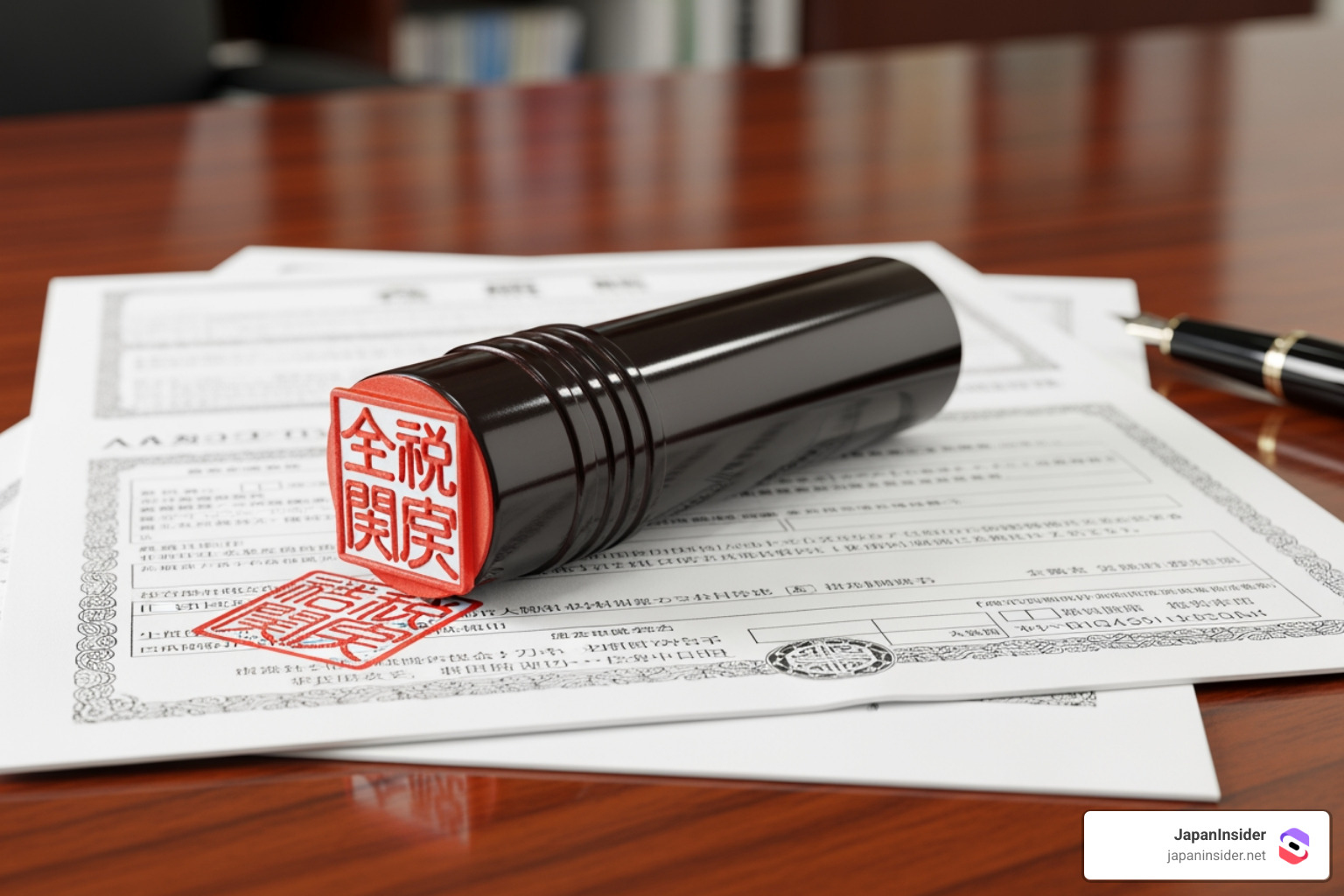
This section covers the essential first steps for establishing a legal and financial presence in Japan, a crucial phase for any foreign enterprise. We'll explore the various business structures available, the legal hoops you'll jump through, and the financial considerations to keep in mind.
Choosing Your Business Structure
When considering doing business in Japan, one of the first decisions you'll face is choosing the right legal structure for your operations. This choice impacts everything from liability and tax implications to your ability to hire and operate. Foreign companies typically have three main options:
- Representative Office: This is the simplest and least costly option, ideal for initial market research, information gathering, and liaison activities. A representative office cannot engage in direct commercial activities (like sales or contracting), meaning it can't generate revenue. Its representative typically holds an 'Intra-company Transferee' visa.
- Branch Office: A branch office is an extension of your parent company overseas, meaning it's not a separate legal entity. It can conduct commercial activities and generate revenue. However, the parent company remains fully liable for the branch's obligations. Its representative can hold an 'Intra-company Transferee' or 'Business Manager' visa.
- Subsidiary Company: This is a separate legal entity registered in Japan, offering limited liability to the parent company. Subsidiaries are the most common choice for full-scale commercial operations. There are two primary types:
- Kabushiki Kaisha (KK): The most common type of stock company, similar to a public or private limited company. It carries a perception of higher prestige and credibility.
- Goudou Kaisha (GK): Japan's equivalent to a US LLC. It's generally easier and less costly to establish and offers more flexibility in its internal governance and profit distribution. It's often preferred by smaller foreign businesses or startups. Its representative usually holds a 'Business Manager' visa.
Here's a quick comparison of these structures:
| Feature | Representative Office | Branch Office | Kabushiki Kaisha (KK) | Goudou Kaisha (GK) |
|---|---|---|---|---|
| Legal Status | No separate entity | Not separate entity | Separate legal entity | Separate legal entity |
| Liability | Parent company liable | Parent company liable | Limited liability | Limited liability |
| Commercial Ops | No | Yes | Yes | Yes |
| Perception | Liaison/Research | Extension of parent | High prestige, traditional | Flexible, modern, startup-friendly |
| Setup Cost | Low | Moderate | High | Moderate |
| Management | Limited | Parent company oversight | Board of Directors | Members |
For a visual guide, watch this Types of Operation in Japan video. If you need help choosing the right structure, our consulting services can provide custom advice.
Key Legal Steps for Doing Business in Japan
Once you've chosen a structure, you must steer Japan's legal registration process, which requires meticulous attention to detail despite recent simplifications.
- Company Registration: This is the core process. For a subsidiary (KK or GK), you'll need to draft Articles of Incorporation, which define your company's purpose, structure, and operations. Companies in Japan are only allowed to carry out business activities explicitly written in the 'objectives' section of their Articles of Incorporation! These documents often require notarization.
- Capital Requirements: The often-cited "1 yen capital" is technically true for registration, but practically misleading. To obtain a 'Business Manager' visa or to simply operate credibly, you'll need significantly more. A realistic minimum for practical operations and visa purposes is around 5 million yen in capital.
- Legal Affairs Bureau: This is where you'll submit your registration application. You'll need to prepare various documents, including the notarized Articles of Incorporation, a Statement of Beneficial Owner, and application forms. Expect to make a set of company seals (hanko) – a Representative Seal, a Bank Seal, and a Company Name Seal – as these are crucial for official transactions.
- Post-Registration Notifications: After your company is registered, you'll need to notify various government agencies, including tax offices (national, prefectural, and municipal) and social insurance offices. These notifications must be made within specific timeframes.
- Bureaucracy Navigation: Japan's bureaucracy is thorough, often requiring paperwork and in-person visits despite digitalization. You may feel like a courier between government offices. Engaging professionals like judicial or administrative scriveners can save significant time and frustration.
For a detailed walkthrough of establishing a subsidiary, this video offers excellent guidance: Steps to Establish a Subsidiary in Japan video. Additionally, understanding intellectual property is vital. The Japan Patent Office information provides basic information about laws and procedures related to trademark and design protection systems.
Financial Considerations and Funding
Understanding the financial landscape is paramount for doing business in Japan.
- Minimum Setup Costs: While the legal minimum capital for registration is 1 yen, practical setup costs are higher. Budgeting around 15 million yen (roughly $100,000 USD) is a more realistic starting point to cover incorporation fees, initial office space, salaries, and operating expenses. This also aligns better with the capital requirements often needed for a 'Business Manager' visa.
- Access to Capital: Japan's startup ecosystem is evolving but still differs significantly from Western markets. Angel investing is less developed, and venture capital tends to favor established entrepreneurs. Startup valuations are often low by Silicon Valley standards, making fundraising a different ball game.
- Building Bank Relationships: Japanese banks value personal relationships and trust. For individuals and small businesses, demonstrating trustworthiness and a stable personal history can be more crucial than credit scores. For example, one entrepreneur's bank manager proactively supported him during a crisis, demonstrating the personal touch that defines Japanese finance. For more insights into the overall business environment, the Doing Business in Japan - World Bank Group data offers valuable context.
The Unwritten Rules of Doing Business in Japan

This section digs into the cultural nuances that are critical for building trust and succeeding in the Japanese market. From greetings to negotiations, understanding these unwritten rules is as important as any legal document.
Communication, Etiquette, and the Personal Touch
Japanese business culture is built on respect, harmony, and long-term relationships. Mastering the following aspects will set you apart:
- Business Card (Meishi) Exchange: This isn't just a casual swap; it's a ritual. Present your meishi with both hands, Japanese side facing up, with a slight bow. Receive a card with both hands, examine it carefully, and place it respectfully on the table in front of you during a meeting. Never put it directly into your wallet or pocket without acknowledging it.
- Bowing (Ojigi): The primary form of greeting. The depth of your bow (ojigi) signifies respect, with deeper bows for those of higher status. As a foreigner, a polite, moderate bow is generally sufficient, and Japanese counterparts will often reciprocate with a handshake.
- Gift-Giving Protocol: Gift-giving is a crucial part of building relationships, emphasizing the ritual over the content. Modestly refuse a gift two or three times before accepting it. Open gifts in private, and always reciprocate. Be mindful of unlucky numbers (avoid giving four or nine of anything) and colors (white flowers, red Christmas cards are associated with funerals).
- Punctuality: Being on time is not just polite; it's expected. Japanese believe it is rude to be late, so always aim to arrive early for meetings.
- Group Harmony (Wa): The concept of wa (harmony) is central. Decisions are often made collectively, and maintaining group cohesion is paramount. Avoid direct confrontation or openly disagreeing with someone in a group setting.
- High-Context Communication: Japanese communication is often indirect and nuanced. What might sound like a "maybe" to a Western ear could actually be a soft "yes," while "I'll consider it" often means "no." It requires careful listening and observation.
- Building Trust: Trust in Japan is earned slowly, through consistent behavior, reliability, and demonstrating a long-term commitment. It's not about quick wins but about cultivating enduring partnerships.
For a deeper dive into these customs, we recommend this guide: A Guide to Japanese Business Etiquette.
Negotiation and Group Decision-Making
Negotiations in Japan can feel slow compared to Western standards, but this deliberate pace is integral to their consensus-driven process.
- Consensus Building (Nemawashi): Before a formal meeting, key stakeholders will often engage in nemawashi (root-binding). This informal process involves one-on-one discussions to build consensus and address concerns beforehand. By the time a formal meeting occurs, decisions are often already largely agreed upon.
- Group Decision-Making (Ringi): Decisions are typically made collectively, not by a single individual. The ringi-sho system, a document circulated for approval among various departments, is a classic example. This ensures broad buy-in and shared responsibility. As a foreign business, you'll need to gain acceptance from the group before you can truly influence decision-making.
- Indirect Communication: Direct refusals are rare. Instead, you might hear phrases like "it might be difficult" or "we will think about it." Learning to interpret these subtle cues is crucial.
- Long-Term Perspective: Japanese businesses prioritize long-term stability and relationships over short-term gains. Be prepared for negotiations to take time, and demonstrate your commitment to a lasting partnership. Patience is a virtue here.
To truly grasp these societal underpinnings, we suggest reading: An Introduction To Japanese Society.
The 'Customer is God' Philosophy
One of the most striking aspects of doing business in Japan is the unparalleled standard of customer service, encapsulated by the phrase kyakusama wa kamisama ("the customer is God").
- Exceptional Service Standards: This philosophy translates into a level of attentiveness, politeness, and dedication that often exceeds Western expectations. From carefully packaged products to staff who anticipate your needs, Japanese customer service is a qualitative difference.
- Building Customer Loyalty: Once a business wins a Japanese customer and consistently meets these high service standards, that customer tends to be incredibly loyal. This loyalty is a powerful asset in a market where trust is paramount.
- Supplier-Customer Hierarchy: In B2B relationships, this means suppliers find it extremely difficult to say no to customer requests. They will often go to extraordinary lengths – working overtime, skipping vacations, or even fulfilling unprofitable orders – to ensure customer satisfaction. This contrasts sharply with Western B2B norms where suppliers often view themselves as equals.
- High-Touch Service Expectations: Whether you're selling software or physical goods, be prepared for customers who expect personalized, attentive service. This often means more face-to-face interactions and a deeper commitment to understanding and fulfilling their needs.
Understanding and adapting to this "Customer is God" mindset is key to success. We regularly share insights on navigating these expectations through our consulting services.
Building Your Team and Reaching Your Market
This section outlines the practicalities of hiring talent, managing operations, and adapting your sales strategy for Japan. From the unique 'salaryman' culture to a high-touch sales environment, building your team and reaching your market requires a distinct approach.
The Japanese Employment System and 'Salaryman' Culture
To truly understand the Japanese workforce, you must grasp the concept of the 'salaryman' and the employment system they represent. This is a "Rosetta stone" for doing business in Japan.
- Lifetime Employment Concept: While not as universal as it once was, the ideal of lifetime employment still strongly influences Japanese corporate culture, especially in large corporations. Employees traditionally swear themselves "body and soul" to the company, expecting job security until retirement in return.
- 'Salaryman' Culture: This describes the dedicated, often male, white-collar worker in a large Japanese company. They often work incredibly long hours (90+ hour weeks are not unheard of, with many logging significant "service overtime" – unpaid extra hours). Despite companies officially allowing 12-18 combined vacation/sick days a year, salarymen typically take only about five.
- Company Loyalty: Loyalty is profound, with employees often prioritizing company directives above personal life, including relocating internationally with little notice.
- Low Employee Turnover: The system fosters extremely low employee turnover. Moving jobs is less common and can carry a social stigma, especially for individuals seeking to join startups, which are often perceived as "off-the-charts risky."
- Difficulty of Termination: Terminating employees in Japan is exceptionally difficult. "At-will employment" is an alien concept. Companies require "cause" and face a very high bar for dismissal, often resorting to tactics like transferring an employee to a division optimized to shame you into quitting rather than direct firing. This means hiring decisions are taken with extreme seriousness.
Hiring and Visa Requirements
Navigating Japanese employment requires understanding both the cultural context and legal requirements for foreign workers.
- Visa Types and Status of Residence: For foreign employees and representatives, securing the correct visa and status of residence is critical. Common types include:
- Business Manager Visa: For those managing or establishing a business in Japan. This often requires a significant capital investment (e.g., 5 million yen).
- Intra-company Transferee: For employees transferred from a foreign head office to a Japanese branch or subsidiary.
- Highly-Skilled Professional Visa: A newer category designed to attract talented individuals, offering expedited permanent residency and other benefits. It may offer an easier path for entrepreneurs than the traditional 'Business Manager' visa, especially if you meet certain points-based criteria.
- Engineer/Specialist in Humanities/International Services: For those engaged in specialized technical or professional work. Your status of residence dictates what you can and cannot do in Japan. Importantly, status of residence follows the employee, not the job, allowing for job changes within the same category. For a detailed video guide, see Obtaining a Working Visa in Japan video.
- Hiring 'Misfits': For startups, attracting traditional salarymen is tough. Many Japanese startups succeed by hiring "around the edges" of society. This includes college-educated women, foreigners, or Japanese men who don't fit the traditional corporate mold but possess valuable skills and motivation. These individuals are often undervalued by the formal labor market, creating a unique talent pool.
- Salary Expectations: While Silicon Valley engineers might command $120k-$160k, an intermediate engineer in Tokyo in their early thirties might earn $30k-$60k annually (or roughly $50k for mid-career wages in engineering). Non-salary costs of employment (social insurance, benefits) are roughly in line with the US, so budget about 25-50% extra on top of salary.
Sales and Marketing in a High-Touch Market
Forget the low-touch, automated sales models common in many Western markets. Doing business in Japan demands a deeply personal approach.
- High-Touch Sales Model: The Japanese market virtually requires high-touch sales, even for low-price point software aimed at SMBs. Decisions are primarily made after face-to-face meetings with local sales representatives. Building relationships, trust, and demonstrating commitment are paramount.
- Role of Local Partners and Representatives: For foreign companies, establishing a local presence or partnering with Japanese distributors or representatives is often crucial. They possess the local knowledge, language skills, and existing relationships necessary to steer this high-touch environment.
- Underserved Tech Market: Despite its advanced infrastructure (Gigabit Internet for about $50/month), Japan is surprisingly "tremendously underserved with regards to technology solutions," especially in modern web/mobile development. The market is often 5-10 years behind the US in these skills. This presents a massive opportunity for foreign companies bringing cutting-edge digital solutions.
- 'Galapagos Syndrome': Japan's history of creating unique, isolated technology ('Galapagos syndrome') has left some large corporations behind in modern web development, as they often lack 'Internet DNA.'
- Low Competition in Digital Channels: Because of the high-touch sales culture and historical tech development, competition from other startups is relatively low. Digital advertising channels like AdWords and SEO are also less saturated and competitive compared to the US, offering cost-effective marketing opportunities.
We offer specialized sales and market entry guidance to help you steer these unique dynamics and connect with your target audience.
The Strategic Landscape: Challenges and Opportunities
This section provides a high-level view of the strategic factors, from demographic trends to unique market advantages, that will shape your venture in Japan.
Advantages and Opportunities for Foreign Ventures
Despite its modest growth outlook, Japan offers compelling advantages for foreign businesses.
- Underserved Technology Market: As we've mentioned, the market is "tremendously underserved" with modern technology solutions. Japanese megacorps are often slow to adopt new digital tools and sometimes lack "Internet DNA," creating a void that agile foreign companies can fill.
- Low Startup Competition: Compared to busy startup hubs like Silicon Valley, competition from other startups in Japan is relatively low. This means more room to innovate and establish a foothold without being immediately overwhelmed by rivals.
- Wealthy Consumer Base: With a population estimated at 126 million (and over 100 million globally rich people), Japan offers a large and affluent consumer base eager for quality products and services.
- High Customer Loyalty: Once you've earned the trust and respect of Japanese customers through exceptional service and consistent quality, they tend to be incredibly loyal. This provides a stable foundation for long-term growth.
- Opportunity in Niche Markets: The sheer size and sophistication of the Japanese economy mean that even highly specialized niche markets can be substantial and profitable.
Common Challenges and How to Prepare
Doing business in Japan comes with its own set of challenges.
- Bureaucracy and Paperwork: Japanese bureaucracy, while organized, involves extensive paperwork and specific procedures. Expect to spend several work days a year on administrative tasks like taxes.
- Language Barrier: This is perhaps the biggest hurdle. "Doing business in Japan without speaking Japanese is playing life on 'hard mode.'" While English proficiency is increasing, especially in Tokyo, deep relationship building, nuanced negotiations, and navigating local procedures almost always require Japanese. It typically takes at least two years of high-intensity study to carry on a basic business conversation.
- Demographic Shifts: Japan faces significant demographic challenges, including an aging and shrinking population. This leads to labor shortages and a potentially contracting consumer base in the long run. Businesses need to consider how these trends will impact their workforce and market strategy.
- Reputation for Xenophobia: Japan has a reputation for xenophobia. While this can be unfair, discrimination in housing and employment exists (e.g., foreigners may be excluded from 40% of available apartments). Though attitudes are improving, building strong local networks is a key strategy for foreign entrepreneurs.
- Adapting to Local Tastes: Products and services successful elsewhere may need significant localization to resonate with Japanese consumers. Understanding cultural preferences is key to avoiding missteps (like the golf ball company that packaged balls in fours, a number associated with death).
At JapanInsider, we help clients steer these challenges and turn them into strategic advantages. You can learn more about our approach on our main page.
Support Systems for Entering Japan
Several organizations and services are dedicated to helping foreign businesses succeed in Japan.
- JETRO (Japan External Trade Organization): JETRO is an invaluable resource, offering comprehensive guides, pamphlets on laws and regulations (available in 8 languages), video series, and an "Experts Finder" directory to connect you with professionals in legal, tax, and HR fields. Their JETRO's Invest in Japan portal is an excellent starting point.
- Local Chambers of Commerce: Joining local chambers of commerce (e.g., American Chamber of Commerce in Japan) can provide networking opportunities, market insights, and advocacy.
- Prefectural Support: Many prefectures, including Aomori Prefecture (where JapanInsider is based), offer specific support and incentives for foreign investment, recognizing the value of international businesses. You can find more information about Aomori Prefecture and its opportunities.
- Professional Consultants: Firms like JapanInsider bridge cultural and practical gaps for Western businesses. We offer custom advice on market entry, legal setup, and operational strategies. Our market entry support provides a clear path forward.
Frequently Asked Questions about Doing Business in Japan
Do I need to speak Japanese to succeed in business there?
Yes, it is highly recommended. While some business can be done in English in Tokyo, fluency in Japanese is critical for deep relationship building, navigating bureaucracy, and understanding the market. Operating without Japanese is like playing on 'hard mode.' It takes at least two years of intensive study for basic business proficiency.
What is the single biggest mistake foreign companies make in Japan?
The most common mistake is underestimating the need for a personal, high-touch approach. Many Western firms try to apply a low-touch, efficiency-first model that fails to build the necessary trust and relationships. Success in Japan requires patience, face-to-face interaction, and a long-term commitment.
How much capital do I really need to start a business in Japan?
While a company can be legally registered with as little as 1 yen, this is not practical. To secure a Business Manager visa, you typically need to show an investment of at least 5 million yen. A more realistic starting budget to cover incorporation, office space, initial salaries, and other costs is around 15 million yen.
Conclusion: Your Partner in the Japanese Market
Success in Japan is a marathon, not a sprint. It demands a deep appreciation for its unique culture, a patient and relationship-focused strategy, and the resilience to steer its complex systems. The market offers immense rewards for those who invest the time to understand it. As experts in bridging Western and Japanese business cultures, JapanInsider provides the authentic, culturally sensitive guidance needed to turn these challenges into your greatest strengths. Learn how our services can help you succeed in Japan






.png)
.jpeg)
.png)
.png)